
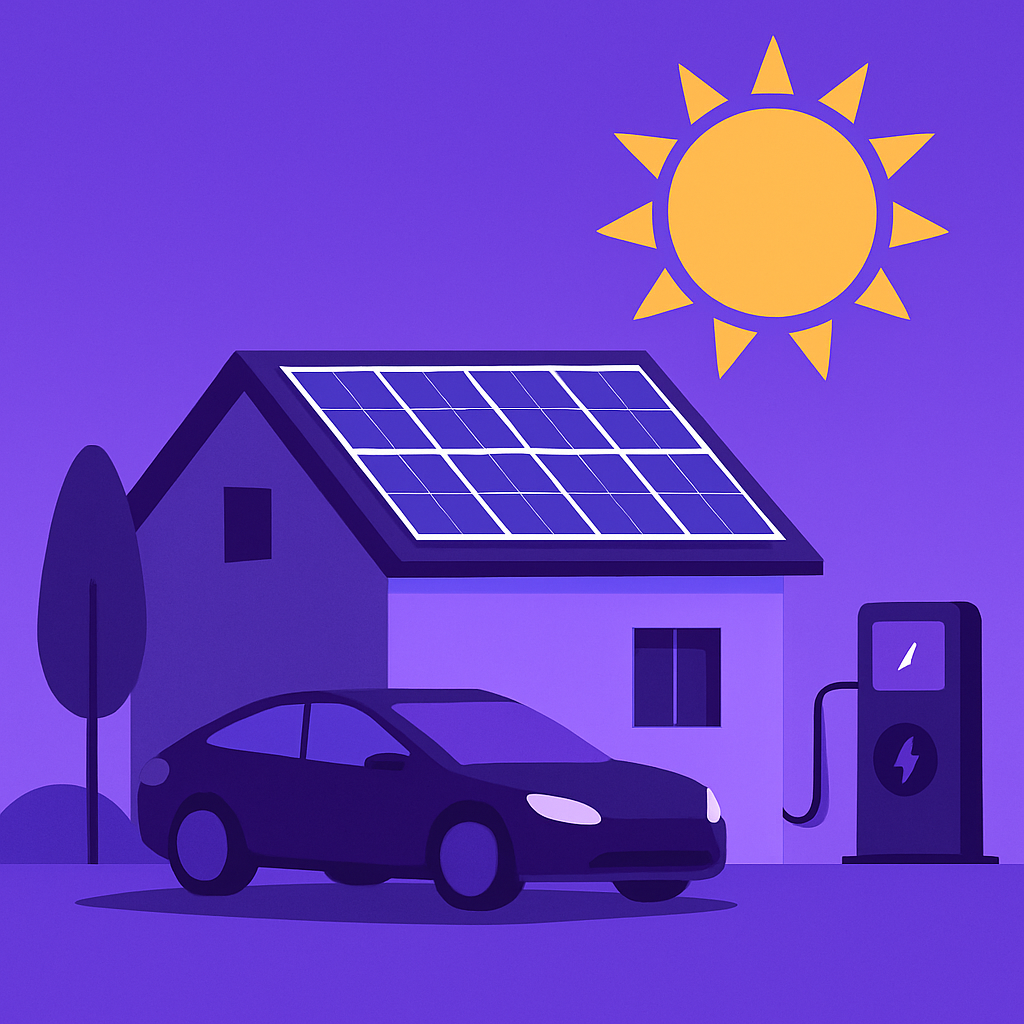
2025 Solar Installation Trends Homeowners Will Love
As we approach 2025, the Australian solar energy landscape is poised for exciting advancements that promise to revolutionize how we harness the sun’s power. With innovations in solar panel technology, battery storage, and smart systems, homeowners have more options than ever to enhance their energy efficiency and reduce their carbon footprint. This article explores the latest trends in solar technology that are shaping the future of renewable energy in Australia.
Advanced Solar Panel Technologies
High-Efficiency Panels: Aiko vs. SunPower
High-efficiency solar panels are at the forefront of technological advancements, offering increased energy output with smaller space requirements. Aiko and SunPower are two key players driving innovation in this area.
Aiko has developed panels that boast an impressive efficiency rate, thanks to their advanced PERC cell technology. These panels are designed to capture more sunlight and convert it into usable energy, making them ideal for residential installations where space may be limited.
On the other hand, SunPower’s Maxeon series offers unparalleled efficiency and durability. With a focus on long-term performance, SunPower panels are engineered to withstand harsh Australian climates while delivering consistent energy output over decades. The choice between Aiko and SunPower often comes down to specific energy needs and budget constraints, but both represent the pinnacle of solar panel efficiency.
Bifacial Solar Panels and their ROI
Bifacial solar panels are gaining traction due to their ability to capture sunlight from both sides, significantly boosting energy output. By utilizing reflective surfaces like rooftops or ground, bifacial panels can increase energy yield by up to 20%.
The return on investment (ROI) for bifacial panels can be substantial, particularly in regions with high solar irradiance. These panels are ideal for commercial solar projects, as they maximize energy production and reduce payback periods. For residential users, the additional cost is often justified by the increased energy savings over the panel’s lifespan.
Battery Storage Innovations
Tesla Powerwall vs. BYD: A Comparative Analysis
Battery storage systems are crucial for maximizing solar energy use, especially when paired with residential solar panels. The Tesla Powerwall and BYD systems are leading the charge in this domain, each offering unique benefits.
Tesla’s Powerwall is renowned for its sleek design, high storage capacity, and seamless integration with solar panels. It offers homeowners the ability to store excess energy during the day for use at night, ensuring energy independence and reducing reliance on the grid.
Conversely, BYD’s battery solutions are celebrated for their modular design and affordability. These systems allow for easy scalability, accommodating growing energy needs over time. Both options provide significant energy savings, but the choice between them may depend on installation size, budget, and specific energy goals.
Hybrid Systems and Energy Independence
Hybrid solar systems, which combine solar panels with battery storage, are becoming increasingly popular among Australian homeowners. These systems offer a pathway to energy independence by storing excess solar energy for periods of low production or peak demand.
The integration of battery & hybrid systems not only ensures a reliable power supply but also reduces electricity bills and enhances energy security. As battery costs continue to decline, the adoption of hybrid systems is expected to rise, offering homeowners a sustainable and cost-effective energy solution.
Smart Inverter Technologies
Fronius vs. Enphase: Efficiency and Smart Features
Smart inverters play a critical role in optimizing solar energy systems by converting DC power from solar panels into AC power for home use. Fronius and Enphase are two industry leaders offering advanced inverter solutions with smart features.
Fronius inverters are known for their efficiency, durability, and integrated monitoring systems. They provide real-time data on energy production, enabling homeowners to optimize their energy use and troubleshoot issues quickly.
Enphase, on the other hand, offers microinverter technology that enhances system efficiency by allowing each panel to operate independently. This is particularly advantageous in shaded environments or complex roof structures where panel performance may vary. Both options provide robust performance, but the choice may depend on specific installation conditions and preferences.
Integration with Home Energy Management Systems
The integration of smart inverters with home energy management systems is transforming how homeowners interact with their solar installations. These systems provide a comprehensive view of energy consumption and production, allowing for smarter energy use and increased savings.
By connecting solar systems to home automation platforms, users can optimize energy use based on real-time data and automate energy-saving actions. This integration is particularly beneficial in improving the efficiency of commercial HVAC fit-outs and residential heating and cooling systems.
Impact of Australian Energy Policies
Understanding STCs and LGCs
Australian energy policies, such as the Small-scale Technology Certificates (STCs) and Large-scale Generation Certificates (LGCs), play a significant role in the solar energy market. These certificates provide financial incentives to encourage the adoption of solar energy systems.
STCs apply to residential and small commercial solar installations, offering rebates that reduce upfront costs. LGCs, on the other hand, are designed for larger installations and provide ongoing financial benefits. Understanding these incentives is crucial for homeowners and businesses looking to invest in solar energy, as they can significantly impact the financial viability of solar projects.
Regional Differences in FiTs and Export Limits
Feed-in tariffs (FiTs) and export limits vary across Australian regions, affecting the financial returns of solar energy systems. FiTs provide payments for excess solar energy exported back to the grid, while export limits dictate how much energy can be sent to the grid.
In regions with favorable FiTs and higher export limits, homeowners can achieve quicker payback periods and increased savings. Conversely, areas with lower FiTs may require optimized energy use and battery storage solutions to maximize solar benefits. Navigating these regional differences is essential for maximizing the ROI of solar installations.
ROI and Payback Period Analysis
Case Study: 6.6kW System in Sydney
A 6.6kW solar system is a popular choice for Sydney homeowners due to its optimal balance of cost and energy production. In this case study, we examine the ROI and payback period for such a system.
With an average household energy consumption and favorable solar irradiance, a 6.6kW system can offset a significant portion of electricity costs. By factoring in the cost of solar panels, government incentives, and potential savings from reduced electricity bills, the payback period typically ranges between 3 to 5 years. This quick return makes solar an attractive investment for Sydney residents.
How to Calculate Your Solar Payback Period
Calculating the solar payback period involves considering several factors, including system costs, energy savings, and government incentives. Here’s a simple formula to guide the calculation:
- Determine the total cost of the solar system, including installation.
- Calculate annual energy savings by multiplying your current electricity rate by the energy produced by the solar system.
- Subtract any government rebates or incentives from the total cost.
- Divide the adjusted system cost by annual energy savings to determine the payback period.
This calculation can help homeowners understand the financial benefits of solar energy and make informed decisions about their investment.
FAQ
What are the latest solar panel technologies?
The latest solar panel technologies include high-efficiency panels like those from Aiko and SunPower, as well as bifacial panels that capture sunlight from both sides, enhancing energy output.
How do new battery systems improve energy savings?
New battery systems, such as the Tesla Powerwall and BYD, store excess solar energy for use during periods of low production, reducing reliance on the grid and lowering electricity bills.
What is the expected payback period for solar in Australia?
The payback period for solar in Australia typically ranges from 3 to 5 years, depending on system size, energy savings, and available government incentives.
How do Australian energy policies affect solar installations?
Australian energy policies, including STCs, LGCs, and regional FiTs, provide financial incentives and impact the financial returns of solar installations.
What are the benefits of hybrid solar systems?
Hybrid solar systems combine solar panels with battery storage, offering energy independence, reduced electricity bills, and enhanced energy security.
How do smart inverters enhance solar systems?
Smart inverters improve solar system efficiency by optimizing energy conversion and providing real-time monitoring, which aids in maximizing energy savings and system performance.
Conclusion & CTA
The advancements in solar technology and favorable energy policies are setting the stage for a bright future for renewable energy in Australia. As homeowners and businesses look to reduce their carbon footprint and achieve energy independence, investing in solar energy systems is more appealing than ever.
If you’re ready to explore the benefits of solar energy and assess your property’s potential, we invite you to book a site assessment with Hilts. Our experts are here to guide you through the process and help you make the most of your solar investment.
