
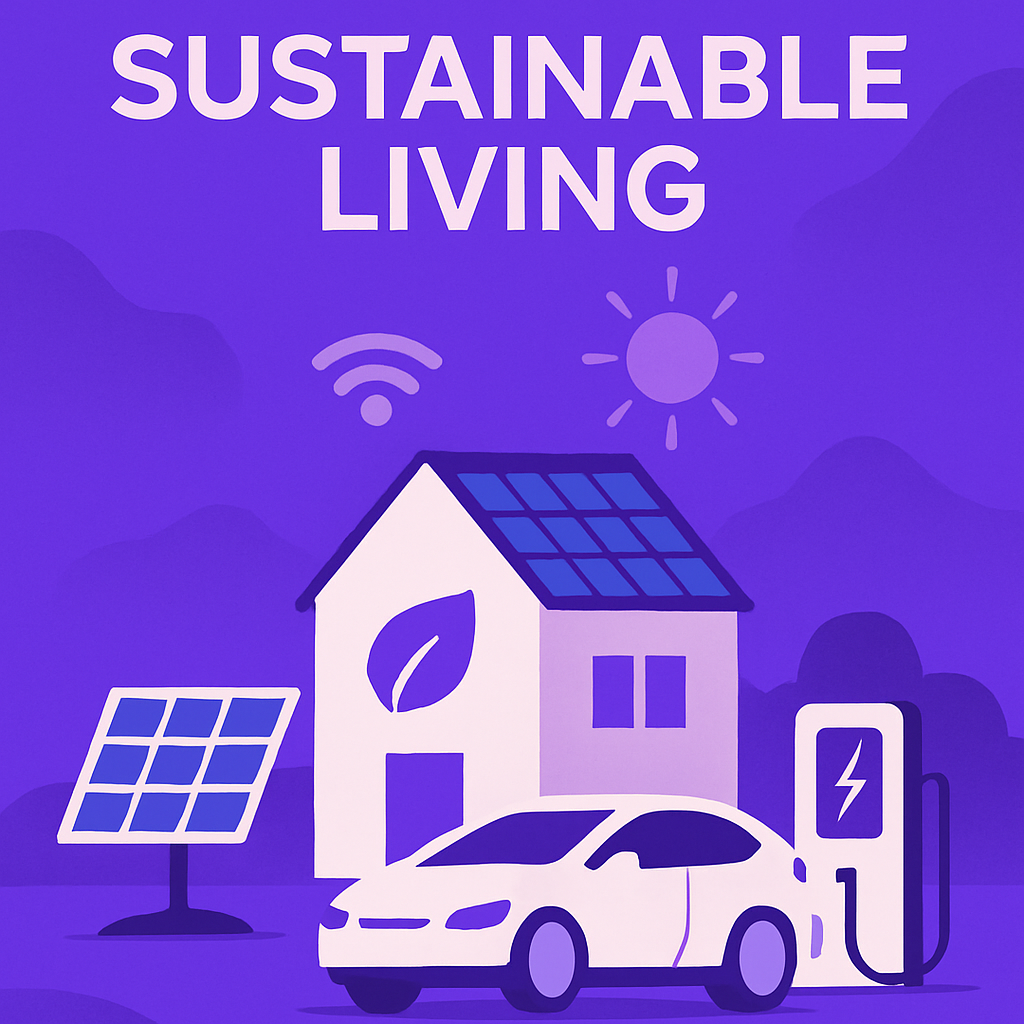
Sustainable Living: Harnessing Solar Energy, EVs, and Smart Homes in Australia
Australia is at the forefront of a renewable energy revolution. As a country blessed with abundant sunshine, it is no surprise that solar energy is a pivotal component of Australia’s sustainable future. Coupled with the rise of electric vehicles (EVs) and the integration of smart home technologies, Australians are embracing a new era of sustainable living. This article explores how these elements are transforming everyday life, enhancing energy efficiency, and contributing to a cleaner, greener Australia.
The Solar Energy Boom in Australia
Harnessing the Sun: Solar Energy’s Role in Sustainability
Australia’s geographic location offers one of the highest solar radiation levels in the world, making solar energy a natural choice for renewable power. The adoption of solar panels has soared, with installations on residential and commercial properties skyrocketing over the past decade. The commercial solar projects are playing a significant role in reducing the carbon footprint of businesses and contributing to a sustainable environment.
Government incentives and decreasing costs have propelled the solar industry forward. Homeowners are increasingly turning to solar installations, not only for environmental benefits but also for significant savings on energy bills. Additionally, advancements in battery and hybrid systems ensure that solar energy can be stored and used even when the sun isn’t shining, offering a reliable power source around the clock.
Solar Energy and the Smart Grid
The integration of solar energy into Australia’s national grid is pivotal in achieving energy efficiency. Smart grids, which utilize digital technology to monitor and manage the transport of electricity, allow for real-time energy management. This means that excess energy generated by solar panels can be fed back into the grid, providing energy credits to the owner and supporting the overall energy network.
Through energy efficiency upgrades, homes and businesses can optimize their energy consumption, ensuring that solar energy is utilized effectively and efficiently. This not only reduces reliance on fossil fuels but also supports Australia’s commitment to reducing greenhouse gas emissions.
Electric Vehicles: Driving Towards a Greener Future
The Rise of Electric Vehicles in Australia
Electric vehicles (EVs) are rapidly gaining traction as a sustainable mode of transport. With technological advancements and increased affordability, EVs offer a viable alternative to traditional petrol and diesel vehicles. The Australian government has been proactive in supporting the EV industry through incentives and infrastructure development.
EV owners in Australia benefit from the convenience of home EV charger installation, allowing them to charge their vehicles overnight and take advantage of off-peak energy rates. Moreover, the expansion of commercial & strata charging facilities ensures that EV charging is accessible and convenient, whether at home or on the go.
EV Infrastructure and Fleet Management
The development of EV infrastructure is crucial for widespread adoption. Public charging stations are becoming more common, and businesses are investing in fleet EV infrastructure to support corporate sustainability goals. This not only reduces the carbon footprint of company fleets but also demonstrates a commitment to environmental responsibility.
Moreover, regular EV charger maintenance & repairs ensure the longevity and reliability of charging stations, guaranteeing that EV owners have consistent access to power. This infrastructure development is essential to alleviate range anxiety and encourage more Australians to transition to electric vehicles.
Smart Homes: The Intersection of Technology and Sustainability
What Makes a Home “Smart”?
Smart homes utilize advanced technology to improve energy efficiency, security, and convenience. By integrating devices such as smart thermostats, lighting systems, and appliances, homeowners can automate and control their energy usage remotely. This not only enhances comfort but also significantly reduces energy waste.
Incorporating heating & cooling load assessments is a vital component of creating a smart home. By understanding the specific energy needs of a property, homeowners can implement solutions that optimize heating and cooling, further reducing energy consumption and costs.
Smart Homes and Renewable Energy
The synergy between smart homes and renewable energy sources like solar power is transforming how Australians live. Smart home systems can automatically adjust settings based on the availability of solar energy, ensuring that appliances operate when solar power is abundant. This integration maximizes the use of renewable resources and minimizes reliance on the grid.
Additionally, smart home technologies are invaluable for managing the efficiency of fresh air & air purification systems. These systems ensure that homes maintain high air quality without compromising on energy efficiency, creating a healthier living environment.
The Future of Sustainable Living in Australia
Challenges and Opportunities
While the transition to a sustainable future is well underway, challenges remain. The initial cost of solar installations and EVs can be a barrier for some, despite the long-term savings they offer. However, continued government support and technological advancements are expected to address these challenges over time.
Opportunities abound in the field of renewable energy and smart home integration. Innovations in hydronic heating systems and commercial HVAC fit-outs are paving the way for more energy-efficient solutions in both residential and commercial settings. These advancements not only contribute to sustainability but also provide significant cost savings for users.
The Role of Emergency Services in Sustainable Living
In a world increasingly reliant on technology, the availability of emergency electrical repairs is crucial to maintaining the integrity of sustainable systems. Whether it’s a power outage or a malfunctioning solar panel, having access to reliable general electrical services ensures that homes and businesses can quickly resume normal operations, minimizing downtime and energy loss.
Conclusion
Australia’s journey towards sustainable living is a testament to the power of innovation and the commitment to a greener future. By harnessing solar energy, embracing electric vehicles, and integrating smart home technologies, Australians are paving the way for a sustainable future. These advancements not only benefit the environment but also enhance the quality of life, proving that sustainability and modern living can go hand in hand.
As more Australians embrace these technologies, the country moves closer to its goals of reducing carbon emissions and achieving energy independence. With continued investment and innovation, the future of sustainable living in Australia looks brighter than ever.
