
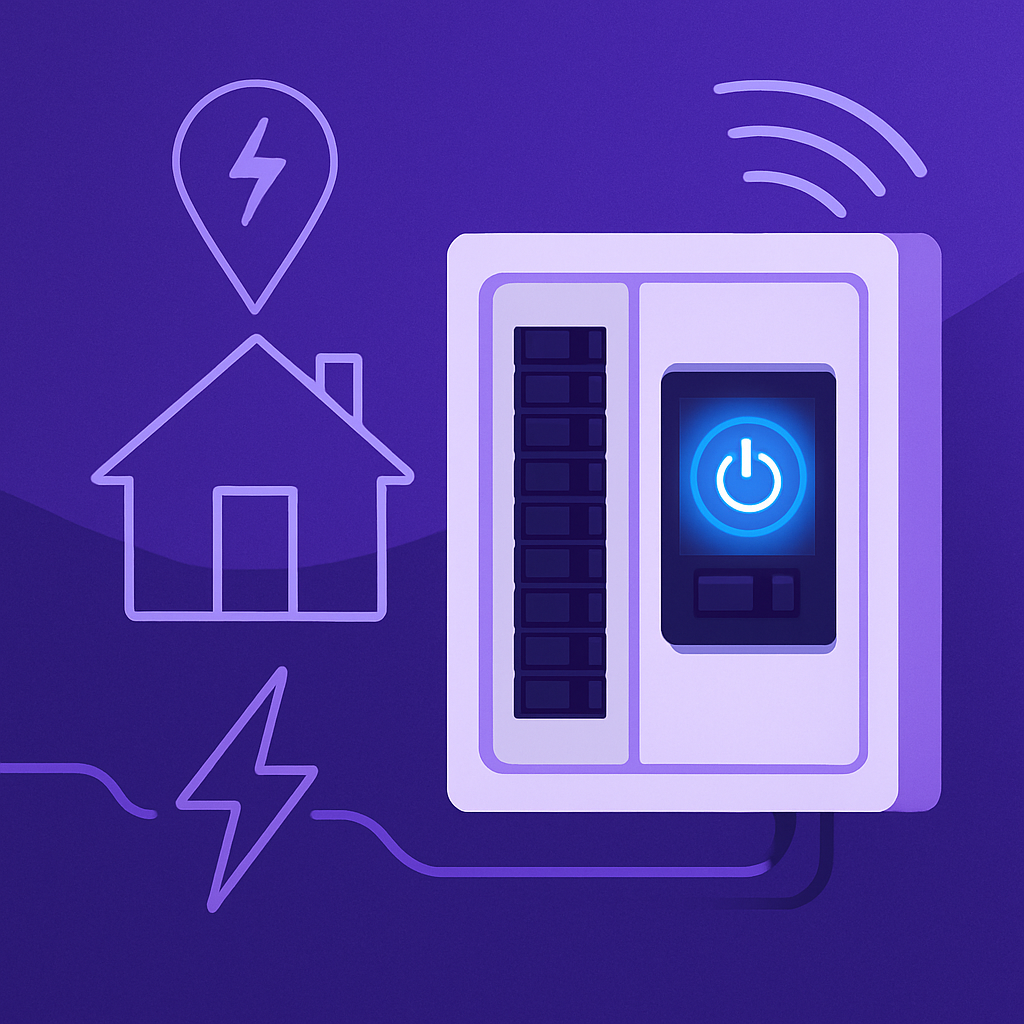
Upgrade Your Home: Modernize with Smart Electrical Panels
Modernizing homes with smart electrical panels is no longer just a futuristic concept; it’s a present-day necessity for those who wish to enhance energy efficiency and embrace renewable technologies. As the world increasingly turns towards sustainable living, integrating smart electrical solutions becomes essential, especially in a sun-rich country like Australia, where solar energy holds significant potential.
Understanding Smart Electrical Panels
What are Smart Electrical Panels?
Smart electrical panels, also known as intelligent or digital panels, are an advanced evolution of traditional circuit breaker panels. They are equipped with sensors and microprocessors that allow them to monitor and control the flow of electricity in a home. These panels integrate seamlessly with home automation systems and provide real-time data on energy consumption patterns, enabling homeowners to make informed decisions about their energy usage.
Benefits of Smart Panels
The benefits of smart electrical panels are numerous and impactful. They offer real-time monitoring and management of energy use, which can lead to significant energy savings. By identifying peak consumption times and inefficient appliances, homeowners can adjust their energy habits, potentially reducing electricity bills. Smart panels also enhance safety by providing alerts for circuit overloads or faults, reducing the risk of electrical fires.
Moreover, smart panels facilitate the integration of renewable energy sources, such as solar energy, into a home’s power system. This integration not only helps in reducing carbon footprints but also supports the transition towards a more sustainable energy future.
Case Study: Australian Home Integration
Consider the case of a family in Melbourne who integrated a smart electrical panel into their solar-powered home. By leveraging the panel’s capabilities, they not only maximized their solar energy usage but also reduced their annual energy expenses by 30%. The smart panel’s ability to prioritize solar over grid power during peak sunlight hours was instrumental in achieving these savings.
Smart Panels and Solar Energy
Integration with Solar Systems
Smart electrical panels are perfectly poised to complement solar energy systems. They can intelligently manage the flow of solar power, ensuring that excess energy is either stored in a battery system or fed back into the grid. This integration is seamless with Battery & Hybrid Systems that are becoming increasingly popular in Australian homes.
ROI Analysis: Solar and Smart Panels
Investing in smart panels alongside solar systems may have an upfront cost, but the return on investment (ROI) can be substantial. A comprehensive analysis indicates that homes equipped with both technologies can recoup their investment in as little as five to seven years, thanks to reduced energy bills and potential government incentives.
Brand Comparison: Schneider vs. ABB
When it comes to choosing a smart electrical panel brand, two names often come up: Schneider and ABB. Both brands offer high-quality panels with robust features. Schneider is renowned for its user-friendly interfaces and integration capabilities with various home automation systems. ABB, on the other hand, is praised for its durability and advanced safety features. Choosing between them depends on specific needs and compatibility with existing home systems.
Energy Efficiency and Cost Savings
How Smart Panels Reduce Costs
Smart electrical panels contribute significantly to energy efficiency by optimizing power usage and reducing waste. They allow for precise control over energy distribution, ensuring that power is only used when and where it’s needed. This can be particularly beneficial for Commercial Solar Projects, where energy demands are high, and efficiency is paramount.
Example: Energy Savings in Sydney
A smart panel installation in a Sydney household demonstrated a reduction in energy costs by approximately 25% within the first year. The homeowners utilized the smart panel’s data to adjust their energy usage habits, such as running energy-intensive appliances during off-peak hours, thereby reducing their reliance on grid power.
Suggested Tools: Energy Savings Calculator
For those considering the switch, using an energy savings calculator can provide a clear picture of potential financial benefits. These tools take into account current energy usage, solar capacity, and local energy rates to estimate savings.
Regulatory and Installation Considerations
Australian Regulations: DNSPs, STCs, LGCs
In Australia, regulations regarding the installation of smart panels and solar systems are governed by various entities. Distribution Network Service Providers (DNSPs) oversee the safety and reliability of the electrical network, while Small-scale Technology Certificates (STCs) and Large-scale Generation Certificates (LGCs) provide financial incentives for renewable energy adoption. Understanding these regulations is crucial for a smooth installation process.
Installation Process and Costs
The installation of smart electrical panels should be carried out by certified professionals to ensure compliance with local regulations. ASP Level 2 Works is a service that provides specialized installation and connection to the grid, ensuring your system meets all necessary standards and operates efficiently.
FAQ
What are smart electrical panels?
Smart electrical panels are advanced circuit breaker panels that provide real-time energy monitoring and control, enhancing efficiency and safety in homes.
How do smart panels work with solar?
They integrate with solar systems to manage the flow of solar energy, prioritizing its use and optimizing storage and grid interactions.
What are the cost benefits?
Smart panels can lead to significant energy savings by reducing waste and optimizing energy use, with potential ROI within a few years.
How long is the payback period?
The payback period for smart panels and solar systems is typically between five to seven years, depending on usage and incentives.
Are there any rebates available?
Yes, Australian homeowners may be eligible for various rebates and incentives from STCs and LGCs when installing renewable energy systems.
How do I choose between brands?
Consider factors such as integration capabilities, safety features, and user interface when choosing between brands like Schneider and ABB.
Can existing systems be upgraded?
Yes, existing electrical systems can often be upgraded to include smart panels, enhancing their efficiency and integration with renewable energy sources.
Conclusion & CTA
Modernizing your home with smart electrical panels is a wise investment that promises significant returns in terms of energy efficiency and cost savings. These panels not only enhance the integration of renewable energy sources like solar but also provide a safer and more efficient home environment.
Take the first step towards a sustainable future today. Book a free site assessment in your area with Hilts and discover how smart electrical panels can transform your home.
