
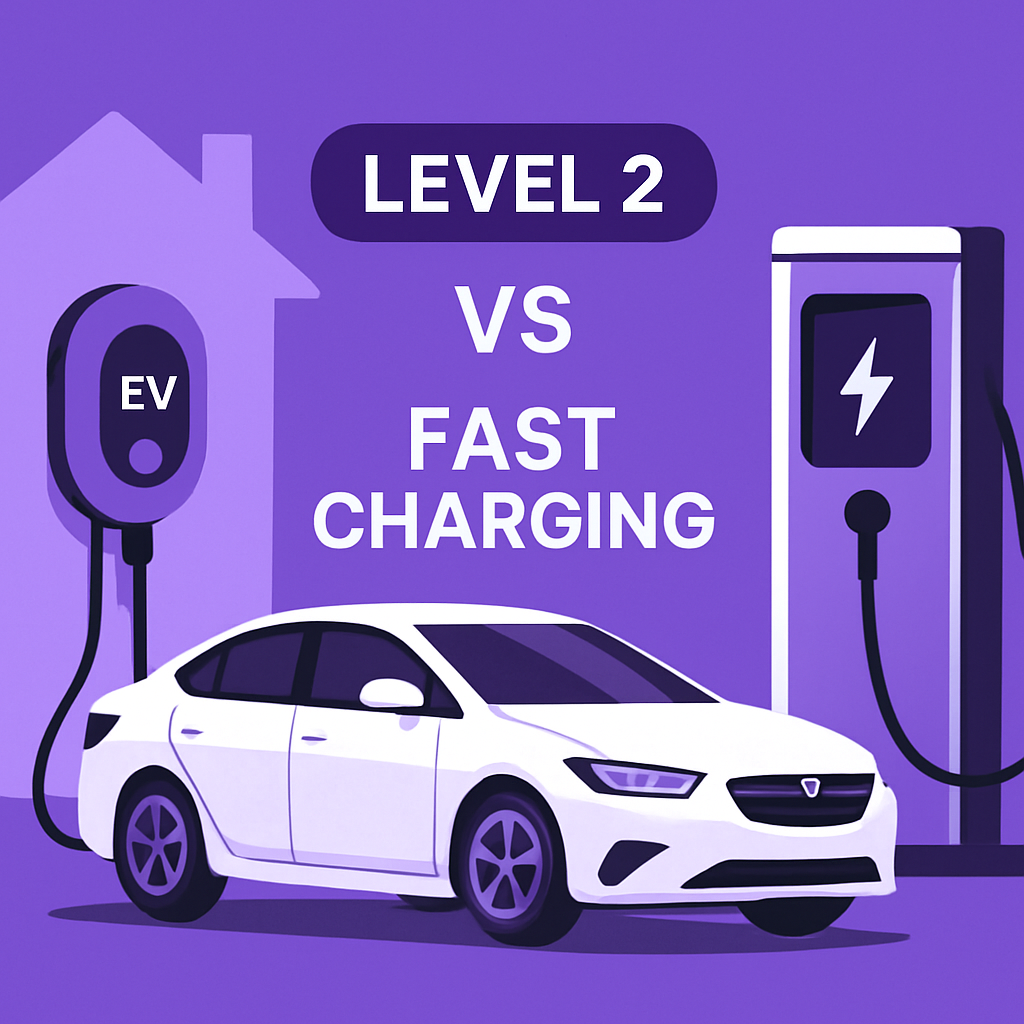
Mastering EV Charger Installation: Level 2 vs. Fast Charging in Australia
As the demand for electric vehicles (EVs) surges across Australia, the infrastructure needed to support this green revolution is becoming increasingly vital. One of the most critical components is the installation of EV chargers, which ensures that electric cars can travel efficiently across the country without the fear of running out of power. In this guide, we delve into the intricacies of EV charger installation, focusing particularly on Level 2 and fast charging solutions, and their impact on Australia’s renewable energy landscape.
Understanding EV Charger Types
Before diving into the specifics of installation, it’s crucial to understand the different types of EV chargers available:
-
Level 1 Charging: This is the most basic form of EV charging, typically using a standard household outlet. It provides a slow charge that is suitable for overnight or long-duration charging.
-
Level 2 Charging: This type offers a significant improvement in speed over Level 1. It requires a dedicated 240-volt outlet and is commonly installed in homes and commercial locations. Level 2 chargers can fully charge an EV in 4 to 8 hours, depending on the vehicle’s battery capacity.
-
Fast Charging (DC Fast Charging): Fast chargers, also known as DC Fast Chargers, provide the quickest charging solution available. They convert AC electricity to DC within the charger and deliver it directly to the battery, allowing vehicles to be charged up to 80% in just 20 to 30 minutes.
Understanding these differences is key to mastering EV charger installation, especially when considering the needs of the Australian market.
The Rise of EVs in Australia
Australia is witnessing a significant uptick in electric vehicle adoption, driven by environmental awareness and government incentives. As a result, the demand for efficient and accessible EV charging solutions is more pressing than ever. The Australian government has committed to developing infrastructure to support this transition, making the installation of both Level 2 and fast chargers a critical component of the country’s renewable technology strategy.
Level 2 Charging: A Comprehensive Solution for Homes and Businesses
Benefits of Level 2 Charging
For many Australian EV owners, Level 2 charging presents the most practical solution. Here are some of the primary benefits:
-
Faster Charging Times: Level 2 chargers are significantly faster than Level 1, making them ideal for overnight charging at home or for businesses looking to offer charging facilities to employees or customers.
-
Cost-Effective: While the initial installation cost can be higher than Level 1, the efficiency and speed of Level 2 chargers can lead to long-term savings.
-
Compatibility: Level 2 chargers are compatible with all EV models, making them a versatile choice for both residential and commercial applications.
Installation Considerations
Installing a Level 2 charger requires careful planning and consideration of several factors:
-
Electrical Capacity: Homes and businesses must ensure their electrical systems can support the additional load of a Level 2 charger. This may require an upgrade performed by professionals offering ASP Level 2 Works, ensuring compliance with local regulations.
-
Location: The installation site should be convenient and accessible. For businesses, this may mean placing chargers in parking lots or garages.
-
Permits and Incentives: It’s important to check for any necessary permits and take advantage of government incentives or rebates that may be available for installing EV chargers.
Fast Charging: The Future of Public Charging Infrastructure
Advantages of Fast Charging
Fast chargers are transforming the landscape of public charging stations. Their speed and efficiency make them a popular choice for high-traffic areas and long-distance travel routes. Key advantages include:
-
Rapid Charge: Fast chargers can replenish an EV battery to 80% capacity in under 30 minutes, making them perfect for drivers on the go.
-
Convenience: They are ideally suited for busy urban areas, highways, and commercial centers, where drivers need quick access to charging.
Challenges and Solutions
While fast charging offers numerous benefits, there are also challenges to consider:
-
Cost: The installation and operation of fast chargers require a significant investment due to their complexity and power requirements.
-
Grid Impact: Fast chargers place a high demand on the electrical grid. To mitigate this, energy efficiency upgrades and the integration of solar energy can be explored.
-
Site Selection: Selecting the right location for fast chargers is crucial. They should be placed in areas with high traffic and easy access. Commercial entities can benefit from Fleet EV Infrastructure services to plan and implement these installations effectively.
Integrating Renewable Energy with EV Charging
Australia’s commitment to renewable technology makes the integration of solar energy with EV charging a logical step. By harnessing the power of the sun, businesses and homeowners can reduce their reliance on the grid, cut costs, and minimize their carbon footprint.
Solar-Powered Charging Stations
Installing solar panels in conjunction with EV chargers can provide a sustainable and cost-effective energy source. This setup not only supports the charging needs but also contributes to Australia’s broader renewable energy goals.
-
Commercial Solar Projects: Businesses can leverage Commercial Solar Projects to create solar-powered charging stations, enhancing their green credentials and attracting environmentally conscious customers.
-
Battery & Hybrid Systems: Combining solar energy with Battery & Hybrid Systems allows for energy storage, ensuring a steady power supply even when solar production is low.
-
General Electrical Services: Professional General Electrical Services can assist in integrating these systems, ensuring optimal performance and compliance with safety standards.
The Role of HVAC and Air Quality in EV Charging Facilities
As EV charging becomes more ubiquitous, particularly in commercial settings, it’s important to consider the broader environment of charging stations. Comfortable, well-ventilated spaces can enhance the user experience.
-
Commercial HVAC Fit-Outs: Implementing Commercial HVAC Fit-Outs can ensure that charging facilities maintain optimal temperature and air quality, improving customer satisfaction.
-
Fresh Air & Air Purification Systems: Incorporating Fresh Air & Air Purification Systems can further enhance the environment, making it more appealing for users who are waiting for their vehicles to charge.
Conclusion: Mastering EV Charger Installation in Australia
The transition to electric vehicles is a significant step towards a sustainable future, and the installation of efficient EV charging infrastructure is critical to this journey. By understanding the differences between Level 2 and fast charging, and integrating renewable energy sources like solar power, Australia can support its growing fleet of EVs while contributing to global environmental goals.
Whether you’re a homeowner looking to install a home EV charger or a business seeking to develop a comprehensive EV infrastructure, the right knowledge and resources can ensure a successful and sustainable implementation. Explore options like Home EV Charger Installation to optimize your setup, and join the movement towards a cleaner, greener Australia.
