
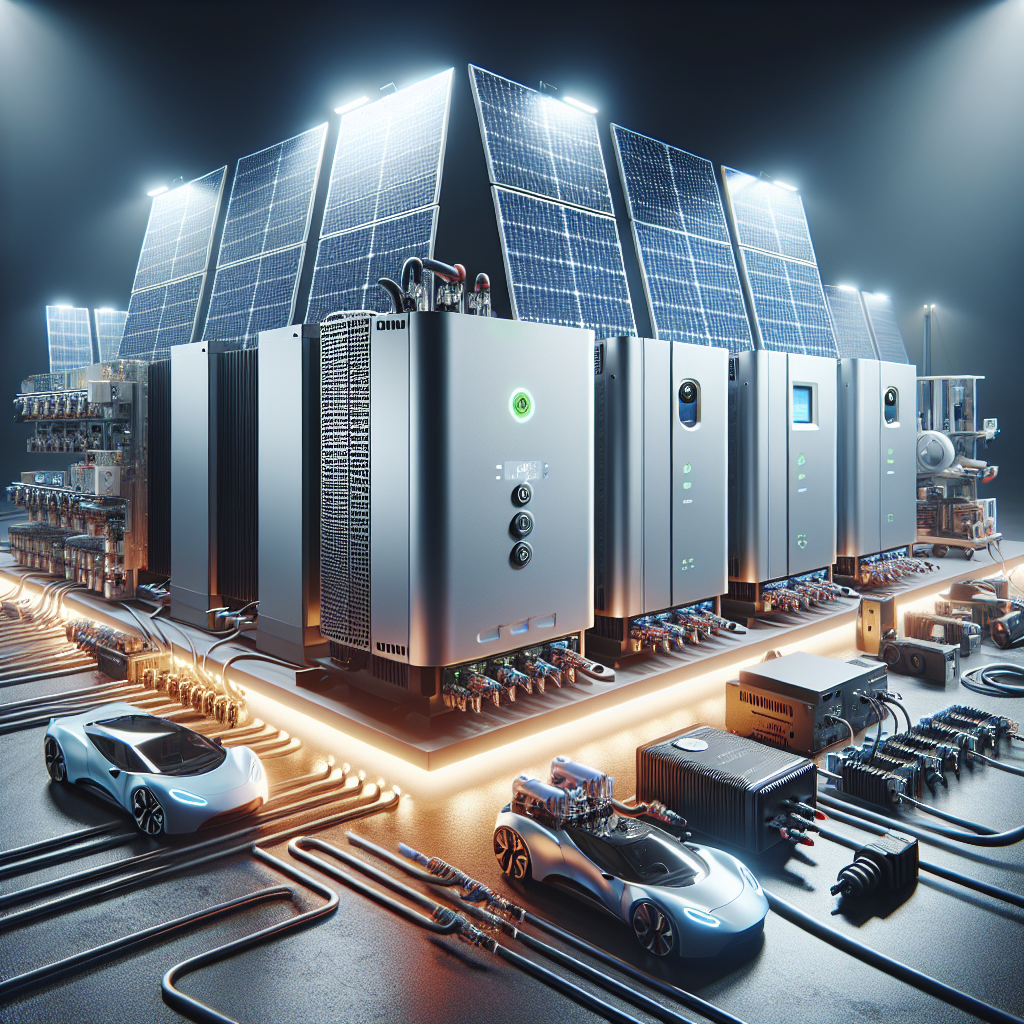
Introduction to Solar Inverters
Solar inverters are a pivotal component of solar power systems, serving as the technology that converts the direct current (DC) electricity produced by solar panels into alternating current (AC) electricity. This transformation is essential, as most of the electrical appliances and systems in residential and commercial buildings operate on AC electricity. Without solar inverters, the energy captured by solar panels would be rendered unusable for everyday applications.
Expanding on this, solar inverters perform several critical functions beyond simple DC to AC conversion. One of their primary roles is to ensure that the output AC electricity matches the voltage, frequency, and phase of the utility grid or local electrical system. This synchronization enables seamless integration of solar power into existing electrical networks, allowing surplus energy to be fed back into the grid or used simultaneously with grid power without causing disruptions.
Additionally, modern solar inverters often include advanced monitoring and control features that help optimize system performance and ensure safety. For example, they can track energy production and consumption in real-time, detect faults or inefficiencies, and adjust operating parameters accordingly. Some inverters also incorporate maximum power point tracking (MPPT) technology, which continuously adjusts the electrical load to maximize the power output from solar panels under varying conditions like shading or changes in sunlight intensity.
Moreover, solar inverters support different system configurations, including standalone off-grid systems with battery storage and grid-tied systems. In off-grid or hybrid setups, inverters manage battery charging and discharging, maintaining energy availability when sunlight is insufficient. In grid-tied systems, inverters facilitate net metering, allowing users to earn credits for excess energy exported to the grid.
In summary, solar inverters are indispensable for converting raw solar energy into a usable form, ensuring compatibility with electrical infrastructure, optimizing energy harvest, enhancing system reliability, and enabling smarter energy management. Their technological advancements continue to drive the efficiency and adoption of solar power systems worldwide.
There are various types of solar inverters, each suitable for different applications and system configurations. The two main types include string inverters and microinverters. String inverters are typically used for solar panel arrays connected in series, making them a cost-effective solution for larger installations. In contrast, microinverters are installed on each solar panel individually, offering enhanced performance, especially in scenarios where shading or orientation varies among panels.
The selection of the right solar inverter is crucial for maximizing energy conversion efficiency and optimizing overall system performance. Factors such as the inverter’s efficiency rating, reliability, warranty, and compatibility with the specific solar panel system must be considered. An inverter’s efficiency significantly impacts how much of the harvested solar energy is converted to usable electricity; thus, investing in a high-quality inverter can lead to increased energy savings over the lifespan of the solar energy system.
Additionally, modern solar inverters often come equipped with advanced features such as monitoring systems, which allow users to track energy production and usage in real-time. This capability provides insights that can help homeowners and businesses assess their energy consumption patterns and identify potential areas for improvement. As the solar industry continues to evolve, the role of inverters remains vital in enhancing system efficiency and overall user experience.
Overview of Fronius Inverters
Fronius, an Austrian company founded in 1945, has established itself as a significant player in the solar inverter market, renowned for its commitment to innovation and renewable energy solutions. Originally focused on the development of welding technology, Fronius diversified its portfolio in the late 20th century to include solar energy systems, positioning itself in the forefront of sustainable energy generation. The company’s mission revolves around promoting and facilitating the transition to more sustainable, eco-friendly energy sources, thereby contributing to the fight against climate change.
The Fronius inverter product line is comprehensive, offering a variety of models tailored to both residential and commercial solar applications. Their inverters are known for incorporating leading-edge technology, high efficiency rates, and user-friendly interfaces. A standout feature of Fronius inverters is the innovative SnapINverter system, which simplifies installation and maintenance. The system also allows for flexibility and adaptability to various installation environments, making it an attractive option for solar power users.
Fronius inverters boast several advantages, including robust performance in various operating conditions and a long lifespan backed by reliable warranty options. The product line includes popular models such as the Fronius Primo and the Fronius Symo. The Primo model is designed specifically for residential use, offering powers ranging from 3.0 kW to 8.2 kW, while the Symo caters to larger-scale installations with capacities from 4.0 kW to 20 kW. Both models provide smart grid features and advanced monitoring capabilities, ensuring optimal energy management. Overall, Fronius inverters exemplify quality and innovation, making them an excellent choice for solar system integration.
Overview of Sungrow Inverters
Sungrow, a leading name in the renewable energy sector, has established a prominent presence in the solar industry by leveraging its innovative technologies and commitment to sustainability. Founded in 1997, the company has evolved into one of the largest manufacturers of solar inverters globally. With a dedicated focus on research and development, Sungrow has continuously enhanced its product offerings, positioning itself as a trusted brand among solar energy users.
One of the key strengths of Sungrow inverters is their advanced features and high efficiency ratings. By utilizing cutting-edge technology, these inverters can achieve remarkable conversion efficiencies, often exceeding 98%. This means that users can expect maximum energy conversion from their solar panels, leading to improved overall system performance. Additionally, Sungrow’s inverters are designed to be user-friendly, featuring intuitive interfaces that simplify installation and operation, thereby increasing customer satisfaction.
Sungrow offers a diverse range of inverter models to cater to different applications, from residential to commercial. Some of their most popular products include the SG Series for residential uses and the SH Series tailored for commercial applications. The SG Series is particularly noted for its compact design and lightweight nature, making it ideal for home installations where space may be limited. On the other hand, the SH Series is engineered for larger-scale applications, providing robust performance and scalability for commercial projects.
Furthermore, Sungrow inverters come equipped with a suite of safety features, including advanced protection against over-voltage, short circuits, and overheating. This focus on safety not only enhances the longevity of the inverter but also provides peace of mind to users. Overall, Sungrow has built a solid reputation in the solar inverter market, recognized for its reliable products, cutting-edge technology, and strong customer support.
Key Features Comparison: Fronius vs. Sungrow
When evaluating solar inverters, Fronius and Sungrow both present compelling options, yet each possesses distinct features that cater to different needs. Efficiency ratings are a crucial aspect to consider, as they determine how effectively the inverter converts solar energy into usable electricity. Fronius inverters typically boast efficiency ratings of up to 98.4%, which places them among the highest-performing options available. In contrast, Sungrow inverters also offer competitive efficiency levels, with ratings around 98%, making them a solid choice for various solar installations.
Durability and build quality are essential factors for long-term reliability. Fronius inverters are known for their robust German engineering and are designed to withstand harsh weather conditions, with many models featuring an IP66 rating for water and dust resistance. Sungrow inverters, while generally reliable, may not match Fronius in terms of weather resilience, but they incorporate modern designs that ensure solid performance in typical settings.
Warranty options play a significant role in consumer confidence. Fronius offers a comprehensive 10-year warranty on many of their inverters, which can be extended to 20 years for an additional cost. This extended warranty option signifies their commitment to quality and customer assurance. In contrast, Sungrow typically provides a standard 5-year warranty, with an option to extend to 10 years. This difference may influence buyers looking for long-term security.
Ease of installation is another key feature that varies between these two brands. Both Fronius and Sungrow strive for user-friendly designs, but Fronius inverters are often praised for their straightforward installation process, thanks to innovative mounting options. Sungrow, while offering decent installation features, may require more expertise in certain models. Finally, monitoring capabilities are pivotal for users wanting to track performance. Fronius excels with its comprehensive monitoring solutions through the Fronius Solar.web platform, while Sungrow also offers effective monitoring options, though some users may find Fronius’s interface more intuitive.
Performance and Reliability Analysis
The performance and reliability of solar inverters are critical in determining their effectiveness in converting solar energy into electricity. In the realm of solar inverter systems, two prominent brands, Fronius and Sungrow, have garnered attention for their distinctive attributes. User reviews, expert opinions, and third-party testing results provide valuable insights into how these inverters perform under various environmental conditions.
Fronius, an established name in solar technology, is noted for its innovative solutions and optimal performance across diverse climates. Feedback from users highlights the inverter’s ability to maintain high efficiency levels even in challenging weather conditions, exemplifying its reliability. Moreover, the lifespan of Fronius inverters is impressive, often exceeding 10-15 years, which aligns with industry standards for longevity. The brand’s commitment to quality comes with a comprehensive warranty that assures users of support throughout their usage period.
Conversely, Sungrow has also made significant strides in the solar inverter market, focusing on cost-effectiveness without compromising on performance. Users frequently commend Sungrow for their efficient energy conversion and adaptability to varying environmental factors. While their expected lifespan typically aligns with Fronius, some reviews suggest that discontinuation of support for older models may impact long-term reliability. However, it is important to note that Sungrow inverters often require less maintenance as they are designed with simpler configurations that ease operational challenges.
When comparing both brands, it appears that while Fronius may edge out slightly in reliability and long-term support, Sungrow offers commendable performance at a competitive price point. Factors such as the specific environmental conditions in which these inverters are used, along with user expectations regarding maintenance and support, ultimately play a significant role in determining which option may be the best fit for a particular solar installation.
Installation and Maintenance Considerations
When considering the installation of solar inverters, specifically the Fronius and Sungrow models, several factors come into play that are crucial for optimizing solar energy generation. Both brands offer specific installation requirements that ensure their inverters operate efficiently. For Fronius inverters, it is recommended to install the unit in a shaded, ventilated area to protect it from extreme temperatures and potential damage. The mounting location should adhere to Fronius’s guidelines to prevent overheating and ensure optimal performance.
On the other hand, Sungrow also emphasizes proper placement during installation, with guidelines suggesting installation on sturdy structures and away from direct sunlight. This attention to detail in installation is essential, as improper placement can lead to reduced efficiency or even property damage. Additionally, both brands require that installation be performed by certified professionals to comply with local electrical codes and ensure safety in the system’s operation.
Maintenance needs for both Fronius and Sungrow inverters are relatively low, yet essential for sustained performance. Regular inspections should be conducted to check for dust accumulation and damage to ensure continued efficiency. Fronius provides comprehensive maintenance resources online, which include troubleshooting tips and user manuals. Similarly, Sungrow offers robust customer support that helps users manage any potential issues post-installation. For those seeking technical assistance, both brands maintain support hotlines and extensive online resource centers that provide valuable guidance and troubleshooting support.
In conclusion, proper installation and regular maintenance are crucial elements for maximizing the performance of solar inverters. Both Fronius and Sungrow provide detailed support and resources aimed at assisting installers and users, ensuring that the inverters remain functional and efficient throughout their lifespan.
Cost Comparison and Value for Money
When considering solar inverters, particularly from leading brands such as Fronius and Sungrow, cost analysis becomes crucial. The upfront price of an inverter can significantly impact the overall investment in a solar power system. Fronius inverters tend to be priced higher than their Sungrow counterparts. This price difference can be attributed to the quality of components used, the technologies implemented, and the brand’s reputation in the market. For example, Fronius inverters are known for their durability and advanced monitoring features, which may justify the additional cost in the long run.
Installation costs also vary between these two brands. Typically, the installation of Fronius inverters can be more expensive due to the specialized skills required for their setup and configuration. Conversely, Sungrow inverters often have a more straightforward installation process, which can lead to reduced labor costs. Therefore, when calculating total initial expenditure, it is essential to account for both the purchase price and the associated installation fees.
In terms of long-term savings, various factors must be considered. While Fronius inverters may have a higher upfront cost, they often come with warranties spanning up to 10 years or more. Their reputation for reliability might result in fewer maintenance costs over time. Meanwhile, Sungrow provides cost-effective solutions that yield decent savings on energy bills, but their warranty periods can be shorter, which could potentially lead to additional expenses later on. Consequently, consumers must evaluate these elements to determine their value for money effectively, depending on individual circumstances and preferences. Ultimately, understanding the pricing structures of Fronius and Sungrow inverters will assist potential buyers in making informed decisions regarding their solar investment.
Customer Support and Warranty Comparison
When considering solar inverters, both customer support and warranty options play a crucial role in the overall customer experience and satisfaction. Fronius and Sungrow are two prominent brands in the solar inverter market, each offering distinct approaches to after-sales service. Understanding these aspects can significantly influence a buyer’s decision.
Fronius is well-known for its robust customer support network. They provide various support channels, including phone, email, and an extensive knowledge base available online. Users report generally prompt response times, often receiving assistance within 24 hours. This efficiency is enhanced by Fronius’s commitment to training their support staff thoroughly, which ensures that customers receive informed and accurate assistance. Additionally, Fronius offers a comprehensive warranty period on their inverters, typically lasting from 5 to 10 years, depending on the model. This warranty coverage is designed not only to protect users but also to give them peace of mind regarding their investment.
On the other hand, Sungrow also delivers commendable customer support, albeit with some differences in service execution. Users have access to various communication channels, including direct contact with service agents and online support tools. The average response time for inquiries is comparable to Fronius but can vary based on the region. Sungrow offers a generally favorable warranty period of up to 10 years for their inverters, which aligns with industry standards. Moreover, their warranties are often extendable, allowing customers to tailor the coverage to their needs.
Overall, both Fronius and Sungrow provide solid customer support and warranty options. However, the nuances in their service delivery and warranty conditions can influence user satisfaction during the lifecycle of their solar inverters. Understanding these details will help potential buyers choose the brand that aligns best with their support and warranty expectations.
Conclusion: Which Inverter is Right for You?
Choosing between Fronius and Sungrow solar inverters ultimately hinges on a variety of personal factors—including budget, energy efficiency requirements, and installation considerations. Each of these brands has its unique merits that cater to different consumer needs. When evaluating which inverter best aligns with your solar energy project, it is essential to weigh these aspects carefully.
Fronius inverters are often celebrated for their high efficiency and robust performance in diverse conditions. They are particularly well-suited for users who prioritize long-term reliability and advanced monitoring options, making them an attractive choice for both residential and commercial applications. Their sophisticated technology tends to come with a higher price tag, which may be a consideration for budget-conscious consumers.
On the other hand, Sungrow offers highly competitive pricing without significantly compromising on performance. With a focus on providing versatile solutions for varying consumer needs, Sungrow inverters are particularly appealing for those looking for a cost-effective and reliable option. Moreover, their user-friendly features and strong customer support make them a solid choice for first-time users navigating solar technology.
When deciding between these two options, consider your energy consumption patterns. If your household or business requires a highly efficient system with advanced capabilities, investing in a Fronius inverter may be the better route. Alternatively, if you are seeking a budget-friendly yet reliable inverter, Sungrow could be a more suitable selection.
Ultimately, the right inverter will depend on your specific project requirements, financial constraints, and long-term energy goals. Carefully reviewing these parameters will help you make an informed decision that best suits your solar energy aspirations.
