
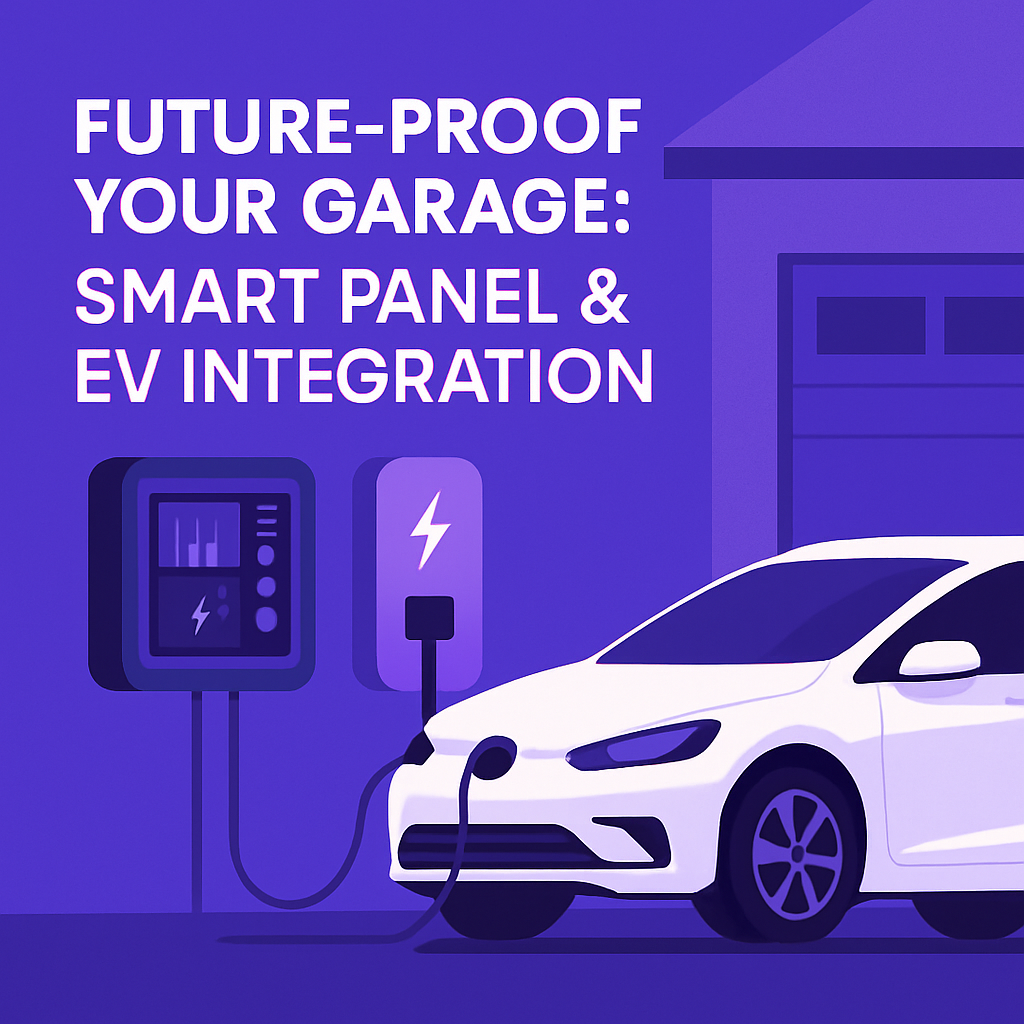
Future-Proof Your Garage: Smart Panel & EV Integration
The rise of electric vehicles (EVs) and smart solar technology in Australia is transforming how we think about energy efficiency and sustainability. As more Australians embrace EVs and solar energy, integrating these technologies has become essential. This article explores the benefits of smart panel integration, the best EV charging solutions for Australian garages, the return on investment (ROI) of integrating smart panels with EV charging, and the policies and incentives that make these advancements more accessible.
Benefits of Smart Panel Integration
Smart panels are the cornerstone of modern solar energy systems. They offer advanced monitoring, efficiency, and control that traditional panels cannot match. These panels use microinverters or optimizers to maximize energy production even when part of the panel is shaded. This adaptability is crucial for Australian households looking to optimize their solar investments.
Case Study: A Typical Australian Household
Consider a household in Sydney that installs smart panels alongside a battery storage system. By integrating battery & hybrid systems, they can store excess energy generated during the day and use it at night, reducing reliance on the grid and lowering energy bills.
Brand Comparison: Aiko vs. Longi
When choosing smart panels, brands like Aiko and Longi are leading the charge. Aiko is known for its high efficiency and reliability, while Longi offers excellent value and performance consistency. Both brands have their merits, so the choice depends on specific needs and budget.
| Feature | Aiko Smart Panels | Longi Smart Panels |
|---|---|---|
| Efficiency | High | Moderate to High |
| Cost | Premium | Affordable |
| Durability | Excellent | Good |
Cost Comparison
EV Charging Solutions for Australian Garages
As EV adoption increases, having a reliable home charging solution is essential. In Australia, there are several EV charging options available, ranging from basic wall chargers to advanced smart systems.
Example: Home EV Charger Installation in Sydney
For homeowners in Sydney, home EV charger installation is a popular choice. These installations can be tailored to fit the power capacity and specific requirements of the household, ensuring efficient and convenient charging.
Brand Comparison: Tesla Wall Connector vs. Zappi
The Tesla Wall Connector is known for its seamless integration with Tesla vehicles, offering fast charging speeds and smart capabilities. In contrast, the Zappi charger is versatile and can work with various EV brands, making it a great choice for households with multiple EV types.
| Feature | Tesla Wall Connector | Zappi Charger |
|---|---|---|
| Compatibility | Tesla only | Multi-brand |
| Smart Features | Yes | Yes |
| Installation Flexibility | Moderate | High |
Installation Process Infographic
ROI of Smart Panels & EV Integration
Investing in smart panels and EV integration offers substantial financial returns. Understanding the ROI helps homeowners make informed decisions.
ROI Calculation: A 6.6kW System in Melbourne
A typical 6.6kW solar system in Melbourne can yield significant returns. With smart panels, homeowners can expect an ROI of around 15-20% annually. The addition of a smart EV charger further increases savings by reducing fuel costs.
Payback Period Analysis: 4.5–5.5 Years in NSW
In New South Wales, the payback period for a combined smart panel and EV charging system typically ranges from 4.5 to 5.5 years. This rapid payback is due to the high cost of electricity and the efficiency of modern solar technologies.
Warranty Comparison: Tesla vs. BYD
| Feature | Tesla Warranty | BYD Warranty |
|---|---|---|
| Battery Warranty | 10 years | 10 years |
| Panel Warranty | 25 years | 25 years |
| System Efficiency | High | High |
Australian Policies & Incentives
Australia offers numerous incentives to encourage solar adoption and EV integration.
STCs, LGCs, FiTs, and State Rebates
- STCs (Small-scale Technology Certificates): These certificates can be traded for financial benefits, reducing the upfront cost of solar installations.
- LGCs (Large-scale Generation Certificates): Similar to STCs but applicable for larger solar installations, impacting commercial projects.
- FiTs (Feed-in Tariffs): Payments made to solar panel owners for the energy they contribute back to the grid.
- State Rebates: Vary by region, providing additional savings.
Real-World Case Study from Victoria
A household in Victoria leveraged state rebates and STCs to install a smart solar system and EV charger, significantly lowering their setup costs and improving their ROI.
Regional Differences in Incentives
Incentive programs vary widely across Australia, with some states offering more generous programs than others. An interactive payback calculator can help homeowners assess available options.
Interactive Payback Calculator
FAQ
What are the installation requirements for smart panels?
Smart panels require a compatible inverter system and, ideally, a battery storage solution to maximize efficiency and savings. Professional installation ensures compliance with Australian standards.
How do EV chargers integrate with solar systems?
EV chargers can be directly connected to solar systems, allowing vehicles to charge using excess solar energy. This integration optimizes energy use and reduces reliance on grid electricity.
What are the government incentives for solar installations?
The Australian government offers various incentives, including STCs, rebates, and FiTs, to reduce the cost of solar installations and encourage renewable energy adoption.
How do smart panels improve energy efficiency?
Smart panels utilize microinverters or optimizers to maximize energy output, even in shaded conditions, and provide real-time monitoring to optimize energy use.
Which EV charger brands are best for Australian homes?
Tesla and Zappi are popular choices, offering compatibility with various EVs and smart features that enhance user convenience and efficiency.
Can smart panels and EV chargers reduce my energy bills?
Yes, by generating and utilizing solar energy efficiently, smart panels and EV chargers can significantly decrease energy bills and reduce carbon footprints.
Conclusion & Call to Action
Integrating smart panels and EV chargers offers Australian homeowners unmatched benefits in terms of energy efficiency, cost savings, and environmental impact. As incentives continue to support these technologies, there’s never been a better time to upgrade.
Get a free AI-powered bill analysis from Hilts to explore how much you can save and the best solutions for your home. Visit our Energy Efficiency Upgrades page to learn more.
