
Introduction: The Unsolicited Interruptions
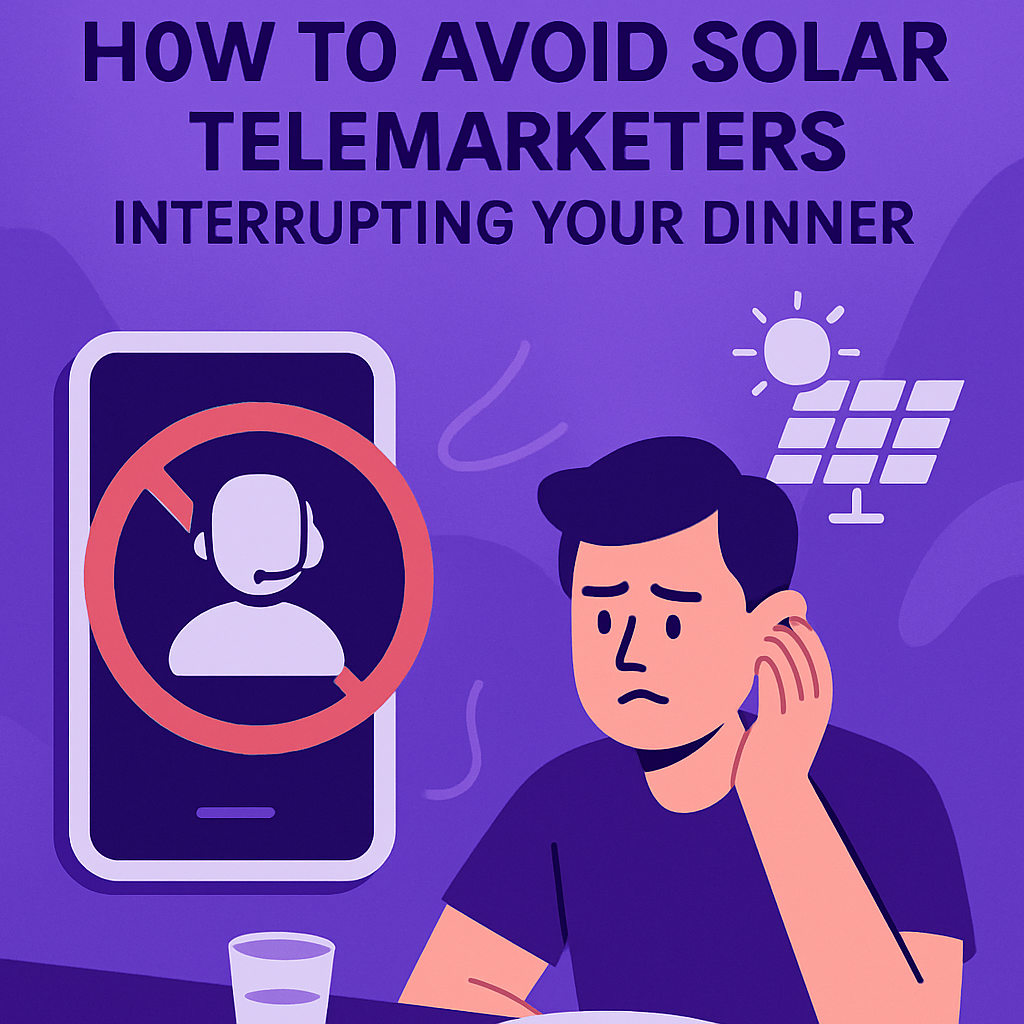
There’s nothing more frustrating than settling down for a tranquil dinner, only to be interrupted by the shrill ring of the phone, announcing the arrival of yet another solar telemarketer eager to pitch a sales deal. These unsolicited interruptions come at the most inconvenient times, often hindering the precious moments spent with family and friends. Such disruptions are not merely an annoyance; they often carry the underlying weight of a more serious challenge for homeowners contemplating solar energy solutions.
As the solar industry continues to expand, solar telemarketing has become increasingly prevalent. Many homeowners report an uptick in these persistent calls, making it essential to learn how to effectively manage this issue. This call barrage has made it necessary for homeowners to find strategies to hang up for good on solar telemarketers and regain control over their personal time. The calls frequently raise questions about their timing and relevance, leaving many feeling overwhelmed and without adequate knowledge to differentiate between legitimate offers and pushy sales tactics.
Understanding the landscape of solar telemarketing not only empowers homeowners but also equips them with the tools needed to respond effectively. This blog will delve into various methods to minimize or eliminate such unsolicited calls, allowing individuals to enjoy dinner without the constant disruption of sales pitches. By addressing this pressing concern, homeowners can focus on making informed decisions regarding solar options without the barrage of telemarketers detracting from the experience.
Understanding Solar Telemarketing: How Did We Get Here?
In recent years, the solar industry has experienced substantial growth, evident through increasing installations and heightened consumer interest. According to a report from the Solar Energy Industries Association (SEIA), the solar market has grown by over 40% year-on-year in some regions. As a result, telemarketing has emerged as a preferred method for solar companies to reach potential customers, capitalizing on this burgeoning trend. Telemarketers often utilize data analytics to identify target demographics, allowing them to connect with homeowners who may benefit from solar energy systems.
The aggressive tactics employed by solar telemarketers are primarily driven by competition within the market. Numerous companies vie for the same pool of customers, making it crucial for them to establish contact quickly. This has led to an increase in calls during peak hours, particularly around dinner time, when homeowners are usually more accessible. Telemarketers have perfected the art of timing, recognizing that families gather during these hours, thereby maximizing their chances of speaking to potential clients.
Moreover, telemarketing practices have become increasingly sophisticated. Many companies now use robocalls and automated dialing systems, allowing them to reach a vast number of consumers simultaneously. This method not only saves costs but also ensures that telemarketers can maintain a constant outreach. Unfortunately, this has left many consumers feeling inundated, with a significant uptick in complaints about unsolicited calls. According to the Federal Trade Commission, telemarketing calls account for a significant portion of unwanted communications that Americans receive. The annoyance caused by these interruptions has sparked discussions on how to balance effective marketing while preserving consumer privacy and comfort within their homes.
The rapid rise of solar telemarketing reflects broader trends in the solar industry while simultaneously highlighting the challenges that consumers face, especially during inconvenient times like dinner. As these marketing practices evolve, it is essential for consumers to remain informed and vigilant about their rights and options.
The Toll of Solar Telemarketing Calls
Telemarketing calls regarding solar energy solutions can impose significant psychological and emotional burdens on homeowners. The persistent nature of these unsolicited calls can lead to heightened irritation and frustration among potential customers. Research indicates that 83% of American homeowners express annoyance when receiving unsolicited telemarketing calls, particularly during inconvenient times such as family meals or personal downtime. This strain not only affects individual households but also contributes to a broader dissatisfaction with the solar industry.
According to industry surveys, nearly half of consumers report a negative perception of solar companies as a direct result of intrusive telemarketing tactics. This trend is particularly concerning, as it creates a barrier to understanding the benefits of solar energy, resulting in a reluctance to engage with legitimate solar providers. Homeowners often feel overwhelmed by the sheer volume of calls; many report being targeted multiple times a week, which creates an environment ripe for annoyance, distrust, and skepticism toward renewable energy options.
The psychological impact of these persistent calls can manifest as stress and anxiety, particularly for those who value their privacy. Even more alarming is how these interruptions can distract from family interactions and everyday activities, leading to feelings of helplessness when faced with continual disruptions. This reaction can diminish the potential for solar power adoption among consumers who may otherwise consider such investments beneficial and environmentally responsible.
Moreover, the incessant nature of telemarketer outreach can taint consumer trust in marketing initiatives, creating a generalized wariness that extends beyond the solar industry. As homeowners grapple with these challenges, the tone of discourse surrounding solar energy becomes muddied. In a time when society is leaning toward sustainable practices, this emotional toll from telemarketing could discourage otherwise interested parties, stunting the growth of the solar market.
Know Your Rights: Protecting Yourself from Unwanted Calls
In Australia, telemarketing is regulated by a legal framework designed to safeguard consumers from unwanted calls. A significant component of this framework is the Do Not Call Register, which allows individuals to opt out of receiving unsolicited telemarketing communication. Homeowners can register their phone numbers on this official list, making it illegal for telemarketers to contact them regarding sales, including those related to solar products and services.
To register a number on the Do Not Call Register, individuals can visit the website and complete the online form. The process is straightforward, free, and allows homeowners to take control of the types of calls they receive. Once registered, the number remains on the list indefinitely, ensuring ongoing protection. However, it is important to note that some organizations, such as charities and political parties, may still be permitted to contact registered numbers, which means homeowners should remain vigilant.
For those who still receive unsolicited calls despite being registered, there are several actionable steps to take. Firstly, document the details of the calls, including the date, time, and the caller’s information if available. This record can be useful when filing a complaint. Individuals can lodge a complaint with the Australian Communications and Media Authority (ACMA), the body responsible for enforcing telemarketing laws. The ACMA investigates complaints and can impose penalties on companies that do not comply with regulations.
Moreover, utilizing call-blocking features available on many smartphones can significantly reduce interruptions. Many mobile services also provide features to block unknown or suspected telemarketers. By taking these proactive measures, homeowners can not only protect themselves but also contribute to broader efforts in combatting unwanted telemarketing practices in Australia.
Effective Strategies to Manage Telemarketing Calls
Dealing with telemarketing calls can be frustrating, particularly when they disrupt your daily routines, such as dinner time. However, homeowners have several effective strategies at their disposal to minimize or eliminate these intrusive calls. Implementing these techniques can enhance your peace of mind and ensure your personal time is respected.
Here are some practical approaches to manage telemarketing calls:
- Block Unwanted Numbers: Most smartphones allow users to block specific numbers. If you receive multiple calls from the same number, take a moment to block it. This can prevent future disturbances from repeated callers.
- Use Call Screening Apps: There are numerous applications available that can identify and filter telemarketing calls. These apps often provide real-time alerts regarding potential spam, allowing you to decide whether to answer or ignore the call.
- Register for Do Not Call Lists: In many regions, you can register your phone number on a “Do Not Call” list. This service is designed to limit telemarketing calls from legitimate companies, substantially reducing unwanted solicitations.
- Set Up Caller ID: Enabling caller ID on your phone can help you screen calls before answering. Familiarize yourself with the common telemarketing numbers to avoid unnecessary interruptions.
- Politely Decline Offers: When you answer a call and realize it is a telemarketer, you can simply inform them that you are not interested. A polite decline can sometimes lead them to remove your number from their list.
These strategies can significantly reduce the frequency of solar telemarketing interruptions. By actively managing incoming calls, homeowners can reclaim their time and ensure that unwanted sales pitches do not intrude on their personal moments. Implementing a combination of these methods will yield the best results in curbing those bothersome solicitations.
Choosing the Right Solar Provider: Avoiding the Telemarketer Trap
In the era of renewable energy, selecting a reputable solar provider is crucial to ensure a positive experience and successful installation of solar systems. However, many homeowners fall prey to aggressive telemarketing tactics designed to lure them into contracts with less reputable companies. To avoid such pitfalls, it is essential to conduct thorough research on potential solar providers.
Begin your quest for the right solar provider by leveraging online resources. Look for comprehensive reviews on platforms such as Google, Yelp, and the Better Business Bureau (BBB). Reading customer feedback can shed light on the experiences of others, highlighting both positive and negative aspects of service providers. Reviews often cover critical elements such as installation quality, customer service, and warranty offerings, helping you make an informed decision.
Additionally, seeking recommendations from friends, family, or colleagues who have firsthand experience with solar installations can prove invaluable. Oral testimonies can provide insight that online reviews may not, such as the level of customer support or aftercare provided by the company. Engage in local community forums or social media groups focused on renewable energy, as they can also provide leads to reliable providers.
As you narrow down your options, consider providers with a strong reputation for quality products and services. Well-established companies often offer proprietary hardware, such as Walara G4P panels known for their efficiency and longevity, and Winaico solar panels praised for their durability. Furthermore, inquire about specific savings programs, such as hot water heat pump savings, that various providers might offer as part of their service portfolio.
By prioritizing research, gathering insights from reliable sources, and focusing on established solar providers, you can successfully navigate the challenging landscape of telemarketing tactics. This informed approach enables you to choose a trusted solar provider, ensuring a rewarding investment in renewable energy.
What to Expect When Going Solar: The Journey Explained
Choosing to install solar panels is a significant decision for homeowners, often driven by the desire to reduce energy costs and environmental impact. The journey toward harnessing solar energy typically begins with an initial consultation. During this phase, homeowners can expect a specialized representative from a reputable solar company to assess their property. This assessment includes evaluating roof condition, the angle of sunlight, and the energy consumption needs of the household. Understanding these preliminary steps is crucial as it allows homeowners to work with legitimate companies and filter out any aggressive telemarketers who may not provide authentic services.
Once the consultation is complete, if the decision to move forward is made, a detailed proposal outlining costs, financing options, and potential savings will be provided. Transparency at this stage is key; homeowners should carefully review this documentation to avoid any hidden fees or obligations. Following acceptance of the proposal, the next step involves obtaining necessary permits and approvals from local authorities. This might take several weeks, depending on local regulations, emphasizing the importance of patience throughout the process.
Installation of solar panels is the next major task. Typically performed by a trained team, this can take one to three days, during which the old roofing may also be inspected to ensure it can support the new solar infrastructure. After installation, a final inspection by local inspectors or the solar company is necessary to confirm that everything adheres to relevant standards.
Lastly, after all installations are completed, the focus shifts towards maintenance. Homeowners should anticipate occasional checks to ensure the system operates efficiently, ensuring optimal performance for years to come. Following these steps with a qualified provider not only aids in a successful solar transition but also acts as a buffer against opportunistic telemarketers, allowing homeowners to focus on their energy independence.
Conclusion: Key Takeaways to Hang Up for Good
In the ongoing challenge of managing unwanted interruptions from solar telemarketers, various strategies can be effectively employed. Firstly, it is crucial to recognize your consumer rights, which empower you to decline unsolicited offers and preserve your peace during mealtime or other personal moments. Ensuring that you are informed about your rights can significantly aid in reducing stress when encountering aggressive sales tactics.
Next, adopting the use of call-blocking technologies stands as one of the most practical methods to prevent telemarketer calls altogether. Several mobile applications and service features are available, offering customized options that limit the number of intrusive calls reaching your phone. This proactive approach not only minimizes disruptions but also allows you to manage your time more efficiently without the constant anxiety of unexpected sales pitches.
Moreover, if you do engage with a telemarketer, employing polite but firm communication can help solidify your boundaries. Clearly requesting to be placed on do-not-call lists or expressing disinterest in their offerings can potentially reduce future calls from that organization. Additionally, it is advisable to validate any solar service providers’ credentials before engaging their services, ensuring that the companies you choose have a reputable standing and favorable customer reviews.
In summary, being proactive in your approach, staying informed about your rights, and utilizing available technology are essential steps in mitigating interruptions from solar telemarketers. By applying these strategies, consumers can more effectively manage these unwanted encounters, paving the way for a more peaceful and informed experience when considering solar energy options.
Frequently Asked Questions About Solar Telemarketers
Solar telemarketers are an increasingly common source of annoyance for many homeowners. Below are some frequently asked questions regarding this topic, along with informative answers to help you navigate the world of solar marketing.
1. How can I stop telemarketing calls?
To minimize telemarketing calls, you can register your phone number with the National Do Not Call Registry. This service is free and helps prevent unsolicited calls from legitimate telemarketers. Additionally, consider using call-blocking features available on many smartphones and home phone systems. Some service providers also offer specific services to identify and block spam calls.
2. Are there regulations for solar telemarketers?
Yes, solar telemarketers must adhere to federal regulations set forth by the Federal Trade Commission (FTC) and the Telephone Consumer Protection Act (TCPA). These regulations require telemarketers to provide specific disclosures and respect consumers on the Do Not Call list. Noncompliance can lead to significant penalties for telemarketing companies.
3. What should I consider when choosing a solar installer?
When selecting a solar installer, it is crucial to evaluate several factors. Ensure that the installer has proper licensing, insurance, and certifications. Additionally, look for customer reviews and ratings to gauge their reputation. Consider the warranties offered on both the products and installation services, as well as their history and experience in the solar industry.
4. What do I do if I’m receiving persistent calls?
If you continue to receive unwanted calls after opting out, document the dates and times of the calls. You may report persistent offenders to the FTC or your state’s consumer protection office. Taking these steps can help combat the issue and may lead to further action against non-compliant telemarketers.
5. Can I block specific numbers from calling my phone?
Yes, most smartphones allow users to block specific numbers. Consult your phone’s manual for detailed instructions on how to block a number. This action can stop repeated calls from the same telemarketer.
6. Are there benefits to talking to a solar telemarketer?
While it may seem disruptive, engaging with a solar telemarketer can provide valuable information about available options. They often highlight financing plans and incentives that might not be readily accessible through other channels. It is crucial to approach such conversations with a critical mind to determine the validity of the claims made.
7. How do I verify the legitimacy of a solar company?
Researching a solar company’s background is key to verifying its legitimacy. Check for customer testimonials, investigate their business practices, and consult local directories or Better Business Bureau ratings. Ensure they are recognized by industry associations for added credibility.
