
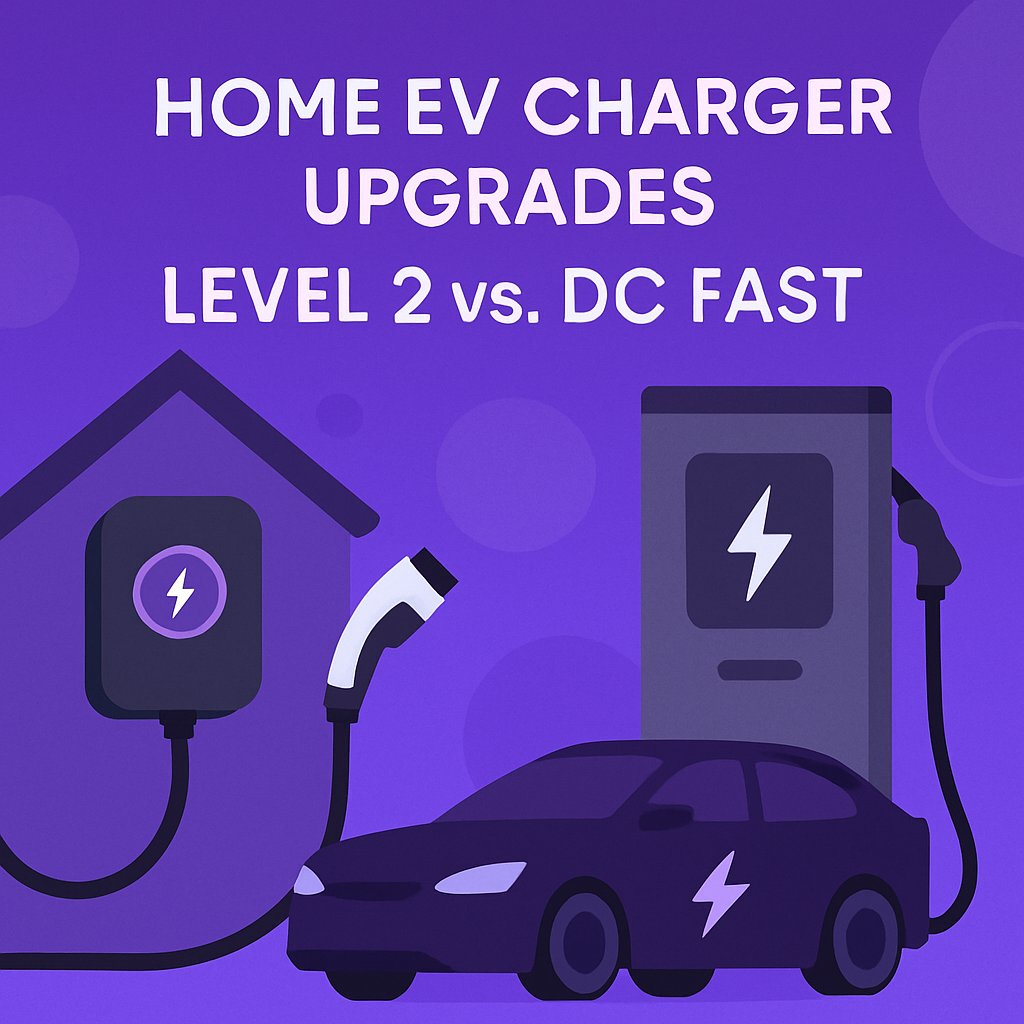
Home EV Charger Upgrades: Comprehensive Guide to Level 2 vs. DC Fast Chargers in Australia
As the adoption of electric vehicles (EVs) accelerates in Australia, understanding the options for EV charger upgrades becomes increasingly important. Whether you’re a homeowner, business owner, or part of a strata community, choosing the right charging solution can significantly impact convenience, costs, and environmental benefits. This guide delves into the trends of Level 2 and DC fast chargers, offering insights, comparisons, and practical examples to help you make informed decisions.
Understanding Level 2 EV Chargers
Level 2 chargers are a popular choice for residential and commercial installations due to their efficiency and relatively fast charging speeds. Operating at 240 volts, these chargers can add approximately 20 to 60 kilometers of range per hour, depending on the vehicle and charger specifications.
A Case Study of a Sydney Household
Consider a typical Sydney household that upgraded to a Level 2 charger. The family, owning two electric vehicles, initially relied on standard Level 1 chargers. Frustrated with the slow charging times, they opted for a Level 2 solution, significantly reducing overnight charging time and improving their daily routine. After installation, they noticed not only a quicker charge but also a decrease in their overall energy consumption through Energy Efficiency Upgrades.
Brand Comparison: Zappi vs. Tesla Wall Connector
When choosing a Level 2 charger, brands like Zappi and Tesla Wall Connector often come to the forefront. Zappi is known for its eco-friendly features, integrating seamlessly with solar panels to maximize energy efficiency. On the other hand, the Tesla Wall Connector offers robust compatibility with Tesla vehicles and a sleek design. Both options provide excellent performance, but your choice may depend on brand loyalty, specific features, or aesthetic preferences.
Suggested Visual: Efficiency Chart of Level 2 Chargers
To better understand the efficiency of Level 2 chargers, visualize a chart comparing their charging times and energy consumption relative to Level 1 chargers. This comparison underscores the enhanced performance and potential energy savings.
Exploring DC Fast Chargers
DC fast chargers represent the pinnacle of charging speed, often found in commercial settings or along major highways. These chargers can provide an 80% charge in as little as 30 minutes, making them ideal for businesses or public charging stations aiming to serve multiple vehicles quickly.
A Melbourne-Based Business Install
A Melbourne-based business recently installed a DC fast charger to accommodate its growing fleet of electric vehicles. This investment not only reduced downtime but also positioned the company as a leader in sustainability. Moreover, the setup aligned with their Fleet EV Infrastructure development, attracting eco-conscious clients and partners.
Brand Comparison: ABB vs. Wallbox
ABB and Wallbox are prominent names in the fast-charging industry. ABB chargers are renowned for their reliability and cutting-edge technology, suitable for heavy-duty commercial use. Wallbox, however, offers more compact solutions that are versatile for various settings. Your decision may hinge on specific business needs, such as charging capacity or installation space.
Suggested Visual: Cost Comparison Table
A cost comparison table outlining installation and operational costs of ABB vs. Wallbox chargers will aid in your decision-making, highlighting the financial implications of each option.
Cost and ROI Analysis
Understanding the financial aspects of EV charger upgrades is crucial. Installation costs can vary based on the type of charger, location, and any additional electrical work required.
Cost Breakdown for Installation and Operation
For Level 2 chargers, installation costs typically range from $700 to $2,000, depending on existing electrical infrastructure and any necessary ASP Level 2 Works. Operational costs are generally low, as these chargers are highly energy-efficient. DC fast chargers, however, can involve higher installation expenses, often exceeding $50,000, tailored more towards commercial applications.
ROI Analysis: Payback Period for Level 2 and DC Fast Chargers
The return on investment (ROI) for EV chargers varies. For instance, a Level 2 charger in a residential setting might see a payback period of about 3 to 5 years, thanks to energy savings and increased property value. In contrast, DC fast chargers may require a longer period to recoup costs but offer significant advantages for businesses in terms of customer satisfaction and increased foot traffic.
Example: ROI for a Brisbane User
A Brisbane user experienced a payback period of just under four years after installing a Level 2 charger, primarily due to savings on fuel and reduced vehicle maintenance costs. This case exemplifies the financial prudence of upgrading your EV charging infrastructure.
Suggested Visual: Payback Period Infographic
An infographic illustrating the payback periods for both Level 2 and DC fast chargers can provide a visual representation of the potential returns over time.
Environmental and Policy Impacts
EV chargers not only offer convenience but also contribute to reducing carbon footprints. By transitioning to electric vehicles and efficient charging solutions, individuals and companies can significantly lower greenhouse gas emissions.
Impact of EV Chargers on Carbon Footprint
Switching from conventional vehicles to EVs, and utilizing chargers powered by renewable energy, drastically cuts down on carbon emissions. This shift aligns with global efforts to combat climate change and promotes sustainable living practices.
Australian Policies and Incentives: STCs, State Rebates
Australia offers several incentives to encourage the adoption of EVs and charging infrastructure. Small-scale Technology Certificates (STCs) and various state rebates can substantially offset installation costs. For instance, Victoria provides specific incentives for installing EV chargers, enhancing the financial attractiveness of such upgrades.
Example: Policy Benefits for Victoria Residents
In Victoria, residents benefit from generous rebates and incentives that reduce upfront costs. These programs are designed to accelerate the transition to renewable energy solutions, making it easier for homeowners to justify the initial investment in EV chargers.
Suggested Visual: Map of State Rebates
A map detailing state-specific rebates and incentives for EV charger installations will help visualize the financial benefits available across Australia.
FAQ Section
How do Level 2 and DC fast chargers differ?
Level 2 chargers are suitable for home use, offering moderate charging speeds and lower costs. DC fast chargers, however, deliver rapid charging at a higher cost, more fitting for commercial and fleet applications. Both have distinct roles depending on user needs and contexts.
What incentives are available in NSW?
New South Wales provides several state rebates for EV chargers, including discounts on installation costs and reduced registration fees for electric vehicles. These incentives make it financially viable for residents to upgrade their home charging solutions.
Can I install a DC fast charger at home?
While technically possible, installing a DC fast charger at home is often not feasible due to high costs and extensive electrical requirements. For most homeowners, a Level 2 charger offers a more practical and cost-effective solution.
What brands offer the best warranties?
Brands like Tesla and ABB are renowned for their robust warranties, often providing up to 5 years of coverage. This assurance is crucial for both residential and commercial users, ensuring long-term reliability and performance.
How do I maintain my EV charger?
Regular maintenance is essential for optimal performance. Basic upkeep includes checking connections, software updates, and cleaning. For comprehensive support, EV Charger Maintenance & Repairs services from Hilts can ensure your charger remains in top condition.
Conclusion & CTA
In conclusion, upgrading to a Level 2 or DC fast charger offers numerous benefits, from increased convenience and cost savings to positive environmental impacts. Understanding the differences, costs, and available incentives is key to making an informed decision. With Hilts’ expertise in General Electrical Services and renewable technologies, you can trust us to guide you through the process of optimizing your EV charging setup.
Book your free site assessment with Hilts today! Let us help you transition to a sustainable future with confidence and ease.
