
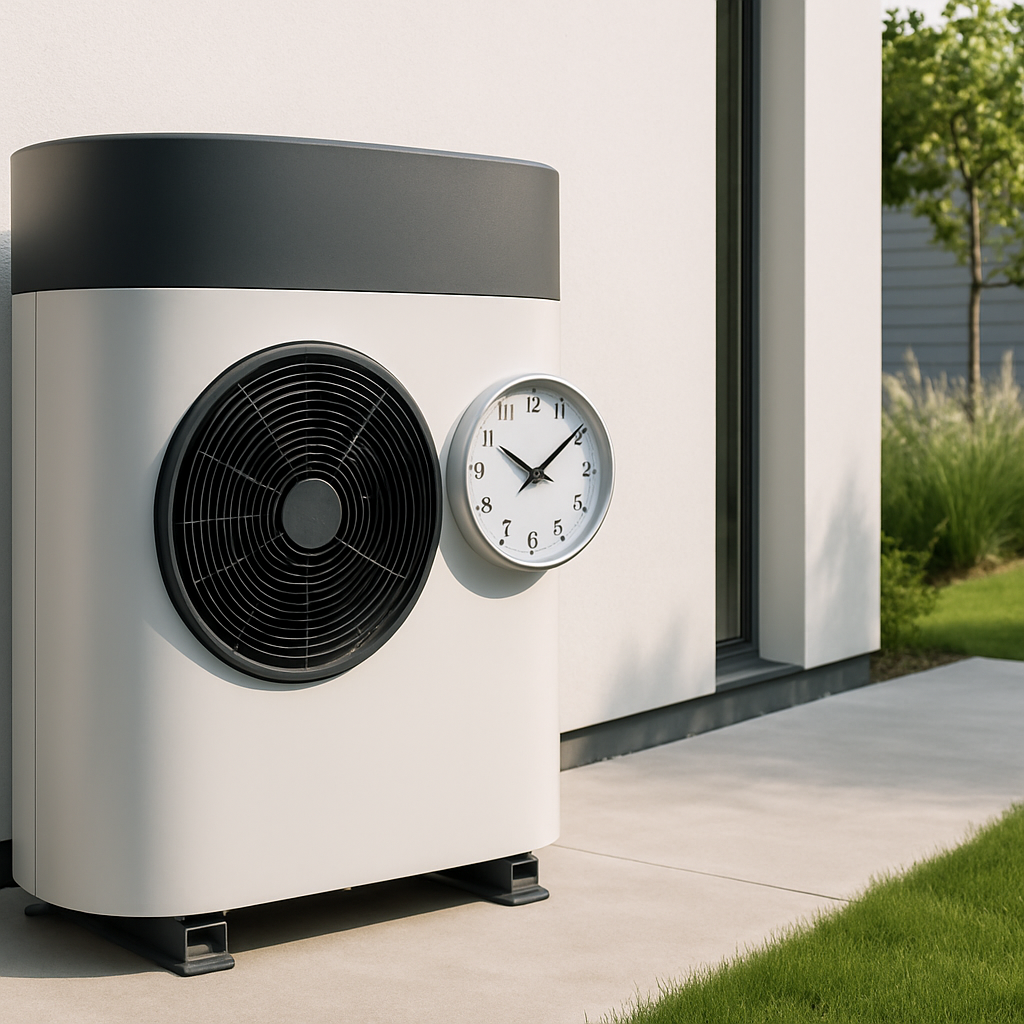
Introduction to Hot Water Heat Pumps
Hot water heat pumps represent an innovative solution for efficient water heating, utilizing a process that is distinct from traditional heating methods. These systems extract heat from the surrounding environment—be it air, water, or ground—and transfer it to heat water for domestic needs. By utilizing ambient energy, hot water heat pumps significantly reduce reliance on conventional electric or gas water heaters, which typically generate heat through combustion or electrical resistance.
One of the most striking advantages of hot water heat pumps is their energy efficiency. They have the ability to produce several units of heat energy for every unit of electrical energy consumed, yielding a coefficient of performance (COP) often exceeding 3.0. This means that for every unit of electricity used, they can generate three or more units of heat energy, making them an environmentally friendly alternative to traditional systems. Additionally, they have lower operational costs, which can result in substantial savings over time.
In comparison to conventional heating systems, hot water heat pumps also offer greater versatility and reliability. Many models can operate effectively in various climates, even in cooler temperatures, thanks to advanced technology that optimizes performance. Users can benefit from efficient water heating without the limitations posed by ambient temperature fluctuations. Furthermore, the integration of smart technology in newer models allows for better control over heating schedules, enhancing their efficiency.
Overall, hot water heat pumps are a compelling option for individuals looking to reduce energy consumption and operational costs while maintaining an adequate supply of hot water. The following sections will delve into the timing benefits associated with these systems, further illustrating their potential for cost savings and sustainability.
The Importance of Timing in Energy Savings
Understanding the timing of energy consumption is crucial for maximizing the savings achieved through the utilization of a hot water heat pump. Energy usage is influenced by various factors such as the time of day, seasonal variations, and energy pricing structures. Each of these elements plays a significant role in determining how effective a hot water heat pump can be in reducing energy costs.
Firstly, it is essential to recognize the time of day as a critical component in energy savings. Many utility companies implement time-of-use pricing, which means that electricity costs can vary significantly depending on peak and off-peak hours. Typically, energy demand is highest in the late afternoon and early evening. By scheduling the operation of a hot water heat pump to run during off-peak hours, homeowners can take advantage of lower electricity rates, leading to substantial savings in energy bills.
Secondly, seasonal changes also affect energy consumption patterns. For instance, energy prices can fluctuate based on demand during different seasons; colder months often see increased energy costs due to higher heating demands. As a result, optimizing the operation of a hot water heat pump to coincide with these seasonal variations can enhance its efficiency and effectiveness in saving energy. Utilizing the heat pump when it is least expensive to operate can result in significant financial benefits over time.
Finally, energy pricing is a dynamic aspect that requires close attention. As markets evolve, new pricing structures and incentives are introduced, which can further influence the timing of heat pump utilization. By staying informed about energy tariffs and adapting to changes, users can maximize their savings from using a hot water heat pump.
Peak vs Off-Peak Energy Rates
In Australia, energy costs vary significantly based on the time of day, categorized into peak and off-peak rates. Peak hours typically occur during the evenings when electricity demand is at its highest. Conversely, off-peak hours usually fall during the night and early morning, periods when demand decreases considerably. Understanding these distinctions is paramount for consumers looking to optimize their energy use, particularly with hot water heat pumps.
Hot water heat pumps are increasingly being recognized for their energy efficiency, but their operational costs can vary widely depending on the timing of their use. By strategically utilizing these systems during off-peak hours, consumers can realize substantial savings on their electricity bills. Many energy providers offer lower rates during off-peak periods to incentivize users to shift their consumption away from peak times, thereby balancing the load on the grid. These savings can become significant when applied consistently over time.
For instance, consider a household that runs a hot water heat pump primarily during peak hours, which might result in an average electricity cost of 40 cents per kilowatt-hour (kWh). If this same household shifts the operation of their heat pump to off-peak hours, where rates may drop to 20 cents per kWh, the savings potential becomes clear. This shift not only lessens the financial burden on consumers but also contributes to a more sustainable energy consumption model. In real-world scenarios, some households have reported reductions of up to 30% on their energy bills simply by aligning their hot water heating practices with off-peak energy usage.
Overall, by recognizing the differences between peak and off-peak energy rates, consumers can leverage the efficiency of hot water heat pumps to further decrease their energy costs, benefitting both their wallets and the environment.
Integrating Solar Energy with Heat Pumps
The integration of solar energy systems with hot water heat pumps presents a strategic advantage for homeowners aiming to enhance energy efficiency and achieve significant cost savings. Solar panels generate electricity from sunlight, which can be utilized to power heat pumps, thereby optimizing the use of renewable energy. This synergy is particularly beneficial during peak hours when solar energy production reaches its zenith, enabling homeowners to harness this free resource effectively.
By employing a hot water heat pump powered by solar electricity, homeowners can utilize the energy generated during the day to heat water. This is especially advantageous in regions with abundant sunlight, as the ability to draw upon solar energy during these hours can drastically reduce reliance on traditional energy sources, which typically incur higher costs. In essence, the combination of solar panels and hot water heat pumps maximizes the efficiency of both systems while lowering energy expenses.
The implementation of a solar energy system can also enhance the performance of heat pumps. During sunny days, the excess energy generated by solar panels can power the heat pump without incurring additional costs, while at night or during cloudy conditions, the conventional grid supply can come into play seamlessly. This hybrid approach ensures a consistent supply of hot water while significantly offsetting energy expenditures.
Furthermore, the increase in renewability through this integration aligns with sustainability goals, promoting a reduction in greenhouse gas emissions. Homeowners who embrace this system not only stand to save money but also contribute positively to the environment. As more regions move towards renewable energy integration, the pairing of hot water heat pumps with solar technology is becoming a preferred solution for modern energy-efficient homes.
Case Studies: Real-Life Savings from Timing Strategies
In various regions of Australia, numerous households have implemented strategic timing practices with their hot water heat pumps, leading to significant savings. These case studies exemplify how timing can effectively enhance energy efficiency, reduce costs, and optimize the usage of resources.
One notable example is a household in Victoria that shifted their hot water heat pump operation to off-peak electricity hours. By adjusting the heating schedule to function predominantly during the night when electricity rates were lower, this family reported a reduction in their monthly energy bill by approximately 30%. The heat pump, which originally operated inefficiently during peak demand periods, became an asset that contributed to their overall power consumption savings.
In Queensland, another case showcased a family that synchronizes their hot water usage with solar energy production. They programmed their heat pump to heat water during the day while their solar panels generate the most energy. As a result, they achieved a remarkable 40% decrease in their reliance on grid energy, further enhancing their overall energy independence and significantly lowering their electricity expenses.
Furthermore, a study conducted in New South Wales highlighted a community initiative where multiple households collaborated to monitor and optimize their hot water heat pump timings. This collective effort resulted in an average reduction of 25% in energy consumption across participating homes. The findings indicated that when households aligned their usage patterns, they not only enjoyed cost savings but also contributed to a decreased demand on the local power grid during peak hours.
These real-life examples illustrate that employing timing strategies with hot water heat pumps can yield tangible financial benefits. Households across Australia continue to showcase the positive impact of these methods through documented savings, serving as a valuable reference point for those considering similar practices.
Choosing the Right Hot Water Heat Pump
Selecting the appropriate hot water heat pump is critical not only to ensure efficient water heating but also to maximize savings on energy costs. When evaluating different models, several key factors need to be considered. Firstly, performance and energy efficiency ratings should be at the top of the list. Look for units that have a high coefficient of performance (COP) rating, as this indicates better efficiency and lower operational costs. Generally, a higher COP translates to more savings, yet it is essential to assess the specific heating requirements of your household or commercial establishment.
In addition to efficiency ratings, examining the heat pump’s capacity is crucial for meeting your water heating needs. The capacity is often measured in liters per hour (LPH) and should match your hot water demand to avoid insufficient supply. Furthermore, the integration of features that support optimal timing usage is also important. Some units offer timers and advanced controls that allow for operation during off-peak energy hours. This functionality can significantly enhance energy savings by utilizing lower electricity rates during these periods.
Additionally, consider the build quality and warranty offered by manufacturers. Durable materials and a comprehensive warranty can protect your investment and provide peace of mind. Market research reveals that brands like Stiebel Eltron, Rheem, and Bosch consistently receive high ratings for their hot water heat pumps. These brands are known for their reputable performance and innovative features that complement energy efficiency. As a buyer, choosing a reliable brand can often lead to superior long-term savings and performance.
By thoroughly evaluating these factors, you can make a well-informed decision that aligns with your heating requirements and promotes energy savings over time. The right hot water heat pump not only ensures ample hot water supply but also optimizes your energy consumption for greater cost-effectiveness.
How Government Incentives Affect Savings
The implementation of hot water heat pumps can significantly reduce energy costs, and the financial impact can be further amplified through various government incentives and rebates available in Australia. These initiatives are designed to encourage homeowners and businesses to invest in energy-efficient technologies, and understanding the array of programs can enhance the return on investment for these systems.
In Australia, the federal and state governments offer several financial incentives aimed at reducing the upfront costs associated with hot water heat pump installation. These programs may include rebates, tax credits, and grants. For example, the Small-Scale Renewable Energy Scheme (SRES) allows homeowners to receive certificates based on the energy production of their hot water heat pumps, which can then be sold for monetary compensation. This mechanism not only makes the initial investment more palatable but also provides ongoing savings as energy costs rise.
Moreover, state governments have their own initiatives. In places like New South Wales, the Energy Savings Scheme (ESS) provides incentives for reducing electricity consumption through approved technologies, including hot water heat pumps. Similarly, many states conduct programs that support energy-efficient home upgrades, which can include financial rebates or low-interest loans for homeowners looking to transition to renewable heating solutions.
It is essential to note that the timing of enrollment in these programs can significantly influence the total savings. Many incentives may have limited-time offers or seasonal discounts, compelling homeowners to act quickly to secure the benefits. Consequently, staying informed about current programs, eligibility requirements, and deadlines is crucial for maximizing savings associated with hot water heat pumps.
By leveraging these government incentives, individuals can achieve a compelling financial outcome when investing in energy-efficient technologies. With the combination of reduced installation costs and ongoing energy savings, government initiatives play a pivotal role in the overall financial assessment of hot water heat pump systems.
Maintenance Tips for Optimal Performance
To ensure that your hot water heat pump operates at its best, it is essential to perform regular maintenance tasks. These practices not only help in sustaining the efficiency of the unit but also enhance the longevity of the system, ultimately preserving the savings associated with timing. One of the primary maintenance tasks is to regularly check and clean the air filters. Clogged filters can restrict airflow, leading to lower efficiency and higher energy bills. Homeowners should aim to inspect filters every month and clean or replace them as needed.
Another critical aspect of maintenance is the periodic inspection of the heat pump’s outdoor unit. Ensure that the area around the unit is free of debris such as leaves, dirt, or snow that could obstruct airflow. Additionally, homeowners should be mindful of the unit’s placement; ensuring that it is positioned in a location that allows for optimal air circulation is vital for efficient operation.
Furthermore, it is advisable to check the refrigerant levels annually. Low refrigerant levels can lead to reduced performance and increased operational costs. If any leaks or deficiencies are detected, they should be addressed by a qualified technician. Similarly, checking the electrical components, including connections and controls, can prevent potential malfunctions and preserve system efficiency.
Periodic professional servicing is also recommended. A trained technician can conduct a thorough assessment, identifying any issues that may not be easily detected by homeowners. This proactive approach can prevent more significant problems down the line. Additionally, keeping the hot water heat pump’s annual maintenance schedule can optimize performance and savings achieved through timing. By implementing these strategies, homeowners can ensure their systems operate efficiently, ultimately maximizing the economic benefits offered by their hot water heat pumps.
Conclusion: Maximizing Your Savings with Strategic Timing
Throughout this discussion, we have explored the substantial advantages that hot water heat pumps offer when it comes to energy efficiency and cost savings. One of the most critical factors influencing those savings is the timing of energy use. Strategically managing your energy consumption can lead to remarkable reductions in utility expenses, making it essential to understand how and when to operate your hot water heat pump for optimal results.
By taking advantage of off-peak energy pricing, homeowners can significantly reduce their bills. This entails running your hot water heat pump during periods when electricity demand is low, which varies from region to region. In addition, integrating smart controls and timers can help automate this process, ensuring that you benefit from lower rates without constant monitoring. Adapting your daily routine to align with these peak and off-peak times can further maximize your savings.
Moreover, the seasons play a vital role in the efficiency of your hot water system. During the warmer months, heat pumps can operate more efficiently, allowing you to stagger your water heating around these times for even greater savings. Implementing this knowledge into your energy consumption strategy not only conserves resources but also encourages a more sustainable lifestyle.
Ultimately, understanding the timing benefits associated with hot water heat pumps empowers you to make informed decisions that can lead to significant financial savings over time. As you consider the information presented, we encourage you to take action—whether that means adjusting your current usage patterns, investing in a heat pump, or implementing technological solutions to enhance your energy efficiency. By being proactive in your approach, you will position yourself to reap the full rewards of this advanced heating technology.
