
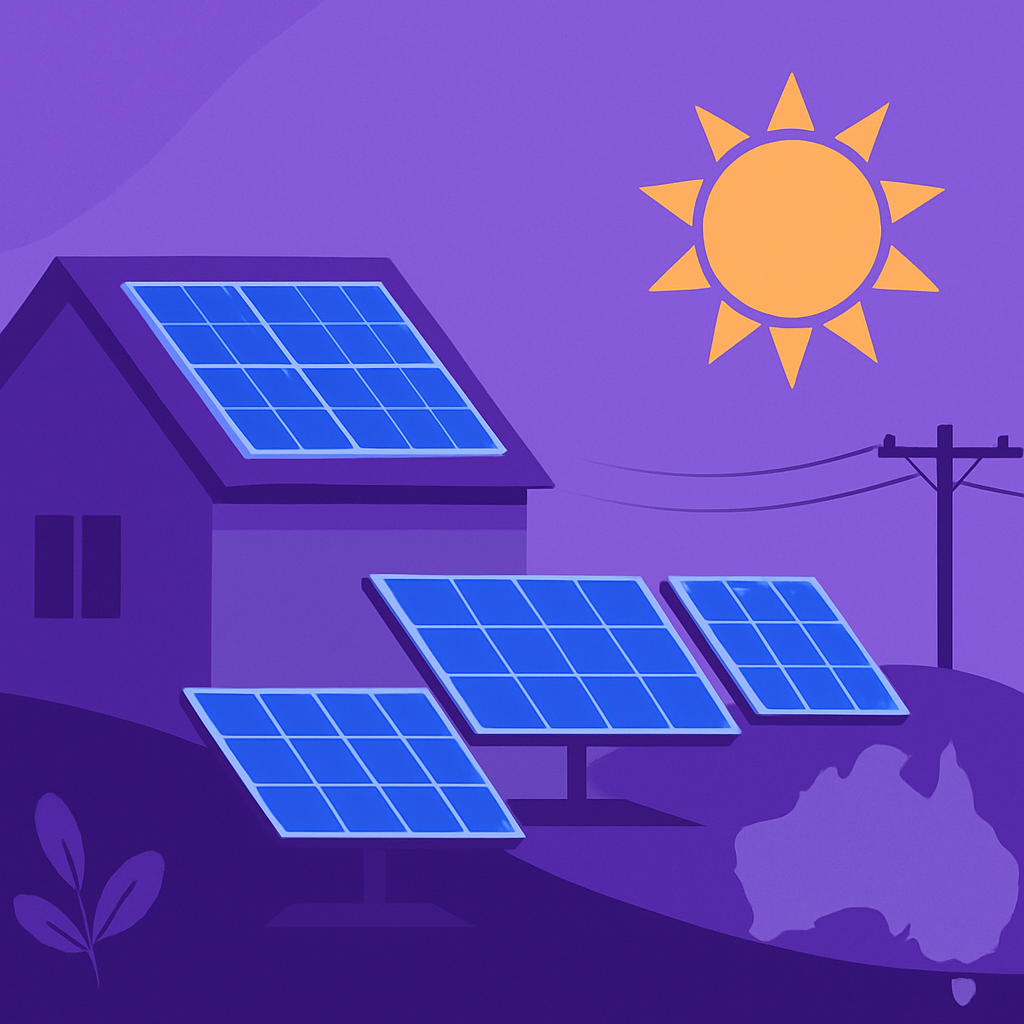
Living With Low or Zero Solar Feed-In Tariffs in Australia
Introduction
In recent years, the landscape of solar feed-in tariffs (FiTs) in Australia has dramatically changed. Once a lucrative incentive, FiTs have seen a decline, pushing solar users to rethink their strategies. As of 2023, some regions in Australia offer minimal or zero FiTs. This shift prompts a crucial question: How can Australians continue to benefit from solar energy in this new economic climate? This article explores viable strategies to maximize solar investment despite low or nonexistent feed-in tariffs, providing valuable insights for both residential and commercial users.
Understanding the Decline of Solar Feed-In Tariffs
The decline in solar feed-in tariffs is driven by several factors, including the increasing supply of solar-generated electricity during peak production hours. As solar adoption rates soar, the grid’s capacity to handle excess power has been challenged. Distribution Network Service Providers (DNSPs) such as Ausgrid and Endeavour Energy have adjusted their policies, impacting the financial returns for solar households.
Economic Factors
The oversupply of solar energy has led to a natural reduction in the value of exported electricity. With more households generating their own power, the demand for grid electricity decreases, influencing FiT rates. In areas like New South Wales, the average FiT has dropped to below 6 c/kWh, compared to 20 c/kWh a decade ago.
Policy Shifts
Policy changes at both the state and federal levels also play a role. States like Victoria offer higher FiTs, reflecting regional differences in energy policy and market conditions. Meanwhile, national incentives such as the Small-scale Technology Certificates (STCs) continue to support solar installations, albeit indirectly affecting FiTs.
Example: A 6.6kW System in Sydney
A typical 6.6kW solar system in Sydney produces approximately 9,000 kWh annually. Under current FiT rates, the export value may only cover a fraction of the initial investment. To maximize returns, users must focus on self-consumption and additional storage solutions.
Strategies to Maximize Solar ROI Without FiTs
With lower FiTs, solar owners need to adopt innovative strategies to enhance their return on investment (ROI). Here are several approaches that can make a significant difference.
Enhancing Self-Consumption
Increasing self-consumption is paramount. By using more solar power during daylight hours, households can reduce reliance on the grid, saving money on electricity bills. This involves adjusting energy usage patterns and may include automated systems to manage energy consumption.
- Appliance Scheduling: Run high-energy appliances during solar peak hours.
- Smart Home Technology: Use smart plugs and energy management systems to optimize usage.
Incorporating Battery Storage
Battery storage systems allow solar users to store excess energy for later use, reducing grid dependency. Brands like Tesla Powerwall and BYD offer efficient storage solutions that integrate seamlessly with existing solar setups.
- Example Installation: A Sydney homeowner with a Tesla Powerwall reported a 30% increase in solar usage efficiency, significantly cutting grid costs.
Investing in Energy Efficiency
Improving household energy efficiency can significantly reduce energy costs. Hilts offers Energy Efficiency Upgrades that can optimize energy use, lowering overall consumption.
Brand Comparisons: Solar Panels and Inverters
Choosing the right equipment is crucial for maximizing solar efficiency and ROI. Here’s a comparison of leading brands.
Solar Panels
- Trina Solar vs. SunPower: While SunPower offers higher efficiency and a longer warranty, Trina Solar provides a cost-effective solution with solid performance.
- REC vs. Jinko: REC panels are known for durability in harsh Australian climates, whereas Jinko offers competitive pricing.
Inverters
- Fronius vs. SolarEdge: Fronius inverters are praised for their reliability and robust support network in Australia. SolarEdge offers cutting-edge technology with module-level monitoring.
FAQs
What is a solar feed-in tariff?
A solar feed-in tariff is a payment made to solar energy producers for the electricity they export to the grid. Rates vary by region and policy.
How can I increase my solar savings with low FiTs?
Focus on self-consumption and consider battery storage or energy efficiency upgrades to maximize savings.
Are battery storage systems worth the investment?
Yes, especially in areas with low FiTs. They allow for better solar energy utilization, reducing dependency on grid electricity.
How do I choose the right solar panels?
Consider factors like efficiency, warranty, and climate performance. Brands like SunPower offer high efficiency, while Trina is cost-effective.
What role do inverters play in solar systems?
Inverters convert solar DC electricity to AC electricity usable by home appliances. Choose reliable brands like Fronius for long-term performance.
Does Hilts offer energy efficiency consultations?
Yes, Hilts provides [Energy Efficiency Upgrades](https://hilts.com.au/service/energy-efficiency-upgrades/) to optimize energy use in homes and businesses.
Conclusion & CTA
Living with low or zero solar feed-in tariffs requires strategic adjustments, from enhancing self-consumption to investing in battery storage and energy efficiency. By focusing on these areas, solar users can continue to reap substantial financial and environmental benefits. At Hilts, we specialize in providing tailored solutions to maximize your solar investment. Whether you’re looking to upgrade your system or need a comprehensive Heating & Cooling Load Assessment, our team is ready to assist.
Ready to optimize your solar energy usage? Book a free site assessment with Hilts today and discover how we can help you maximize your solar ROI.
