
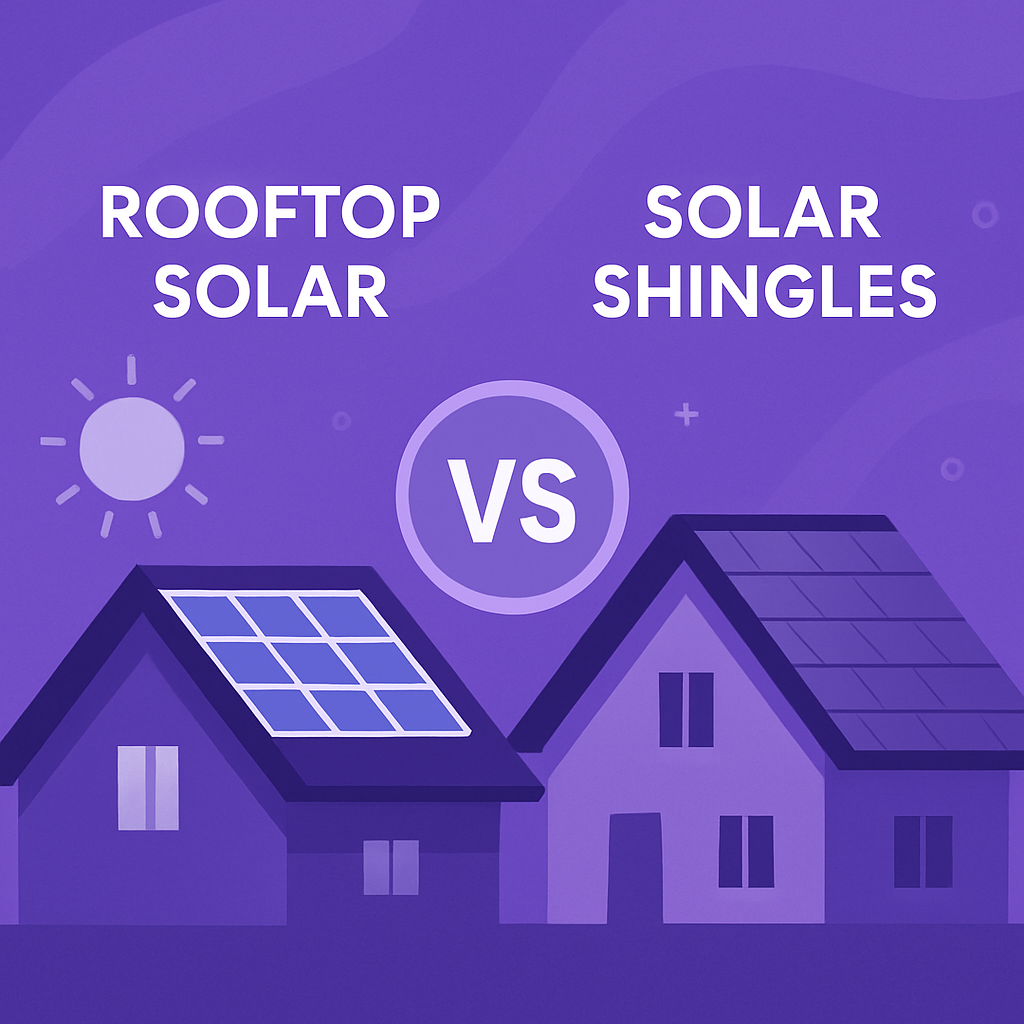
Rooftop Solar vs Solar Shingles: Weighing the Pros & Cons for Australian Homes
As Australia continues to embrace renewable energy, many homeowners are considering how best to integrate solar technology into their homes. Two popular options are traditional rooftop solar panels and the more modern solar shingles. Each has its pros and cons, and understanding these can help you make an informed decision. Let’s explore the nuances of both technologies in the context of the Australian solar market.
Cost Analysis and Financial Incentives
Initial Costs and Installation Fees
When considering solar energy, understanding the initial costs is crucial. Traditional rooftop solar panels typically offer a range of prices depending on the system’s size and quality. Installation fees can vary, but these systems are generally more affordable than solar shingles. On the other hand, solar shingles tend to cost more upfront due to their integration into the roof’s structure and the specialized installation process they require.
For homeowners looking to install traditional solar panels, ASP Level 2 Works can ensure that your installation meets all regulatory standards, potentially saving on unexpected future costs.
Government Rebates and Incentives
Australia offers several financial incentives to encourage solar adoption. The Small-scale Renewable Energy Scheme (SRES) provides certificates that can be traded for financial benefits, effectively reducing the cost of installation. Different states also have their own rebates and incentives, making it essential to research what is available in your area.
For those interested in maximizing their return on investment, Energy Efficiency Upgrades can enhance the performance of both rooftop solar and solar shingles, leading to further savings.
ROI and Payback Period
The return on investment (ROI) and payback period are significant factors for any solar installation. Rooftop solar panels typically offer a quicker payback period, often between 3 to 5 years, thanks to their lower initial costs and efficient energy production. Solar shingles, while aesthetically appealing, may have a longer payback period due to higher initial costs. However, they can add value to your home and offer a seamless look that some homeowners desire.
Performance and Efficiency
Comparison of Energy Output
Rooftop solar panels generally provide higher energy output compared to solar shingles, due to their ability to maximize exposure to sunlight. They can be tilted and positioned to capture the sun’s rays most effectively, whereas solar shingles are limited to the roof’s existing angle and orientation.
Impact of Australian Climate
Australia’s diverse climate can impact solar efficiency. In areas with high sun exposure, both solar panels and shingles perform optimally. However, in regions with more shade or frequent cloudy weather, traditional solar panels may outperform shingles due to their ability to be strategically placed for maximum sunlight capture.
Brand Efficiency and Reliability
Brand reliability is paramount when choosing solar technology. Brands like Tesla and CertainTeed offer solar shingles with strong warranties and proven durability. Meanwhile, well-known solar panel manufacturers such as LG and SunPower provide high-efficiency panels with excellent performance records.
For ongoing support and maintenance, General Electrical Services can ensure your system remains in top condition, maximizing efficiency over its lifespan.
Aesthetic and Structural Considerations
Visual Impact on Homes
For many homeowners, the visual impact of solar technology is a significant consideration. Solar shingles integrate seamlessly into your roof, preserving the home’s aesthetic appeal. Conversely, traditional solar panels are more prominent, though they have become more streamlined and less obtrusive over the years.
Structural Modifications Required
Installing solar shingles often requires more extensive structural modifications, as they replace existing roof materials. This can be an advantage if you’re already planning a roof replacement. However, it also means higher installation complexity compared to adding solar panels to an existing roof.
If you’re considering substantial modifications, Commercial HVAC Fit-Outs may provide insights into complex installation processes, ensuring a smooth integration of solar technologies.
Long-term Durability and Maintenance
Both rooftop solar panels and solar shingles are designed for durability, often lasting 25 to 30 years. However, solar shingles may require less maintenance due to their integration with the roof. Regular cleaning and occasional maintenance checks are essential for both systems to ensure optimal performance.
For those requiring assistance, Emergency Electrical Repairs can address any urgent issues that may arise, ensuring your system remains operational.
Environmental Impact and Sustainability
Lifecycle Assessment
The environmental benefits of solar energy are clear, but it’s important to consider the entire lifecycle of your solar system. Both rooftop solar panels and solar shingles have similar manufacturing impacts, but their long-term carbon footprint is significantly lower than traditional energy sources.
Contribution to Carbon Footprint Reduction
Both technologies contribute to reducing your home’s carbon footprint, with solar panels typically offering a greater reduction due to their higher energy output. The choice between the two may depend more on personal preferences and specific environmental goals.
Waste Management and Recycling
As solar technology matures, recycling processes for solar products are improving. Panels and shingles can be recycled, reducing landfill waste. Choosing a provider that supports sustainable practices can enhance the environmental benefits of your solar installation.
Real-life Case Studies and Examples
Rooftop Solar Installations in Sydney
Sydney is home to numerous successful rooftop solar installations, demonstrating the technology’s viability in urban environments. Many businesses and homes have reaped the benefits of solar energy, achieving significant savings on their energy bills.
Solar Shingles in Melbourne Suburbs
In Melbourne, some homeowners have opted for solar shingles, appreciating their aesthetic appeal and integration into the home’s architecture. While less common than traditional panels, the trend is growing as more people recognize their potential benefits.
Comparative Performance Metrics
Comparing performance metrics between the two technologies highlights the higher efficiency of traditional solar panels, particularly in energy output. However, the aesthetic benefits of solar shingles remain a compelling factor for many homeowners.
FAQ Section
What are the main differences between rooftop solar and solar shingles?
Rooftop solar panels are generally more efficient and cost-effective, while solar shingles offer a more integrated, aesthetically pleasing appearance.
How do solar shingles perform in Australia’s climate?
Solar shingles perform well in sunny climates but may be less efficient than panels in shaded or cloudy areas.
Are solar shingles more expensive than rooftop solar?
Yes, solar shingles typically have higher initial costs due to their integration into the roof structure.
What rebates are available for solar installations in Australia?
The Small-scale Renewable Energy Scheme (SRES) and various state rebates help reduce the cost of solar installations.
Which brands offer the best warranties?
Brands like Tesla and CertainTeed for shingles, and LG and SunPower for panels, provide reliable warranties.
How long is the typical payback period for solar systems in Australia?
The payback period for solar systems is typically 3 to 5 years for panels, with shingles potentially taking longer.
What is the environmental impact of solar shingles?
Solar shingles have a similar environmental impact to panels, offering significant reductions in carbon footprint over their lifespan.
Can solar shingles be installed on existing roofs?
Yes, but they require more extensive modifications compared to adding panels.
Conclusion & CTA: Summary of Key Points and Call to Action
Deciding between rooftop solar panels and solar shingles involves weighing factors such as cost, efficiency, aesthetics, and environmental impact. Both options provide substantial benefits, but your choice will depend on personal preferences and specific circumstances.
At Hilts, we specialize in delivering tailored solar solutions that meet your needs. Whether you opt for traditional panels or the sleek integration of solar shingles, our expertise in Battery & Hybrid Systems and Fleet EV Infrastructure ensures optimal performance and efficiency.
We invite you to book a site assessment with us to explore the best solar options for your home. Our team is committed to providing sustainable energy solutions that align with your vision and budget.
