
Unleash Backup Power: Solar + Battery Systems for Outages in Australia
In a world where energy reliability is becoming increasingly paramount, the integration of solar battery systems offers a promising solution for Australian households and businesses. With the growing reliance on renewable energy sources, Australians are reaping the benefits of solar panels combined with advanced battery storage to ensure seamless power supply even during outages. This blog explores how solar battery systems can provide backup power, promote energy independence, and contribute to a sustainable future in Australia.
Understanding Solar Battery Systems
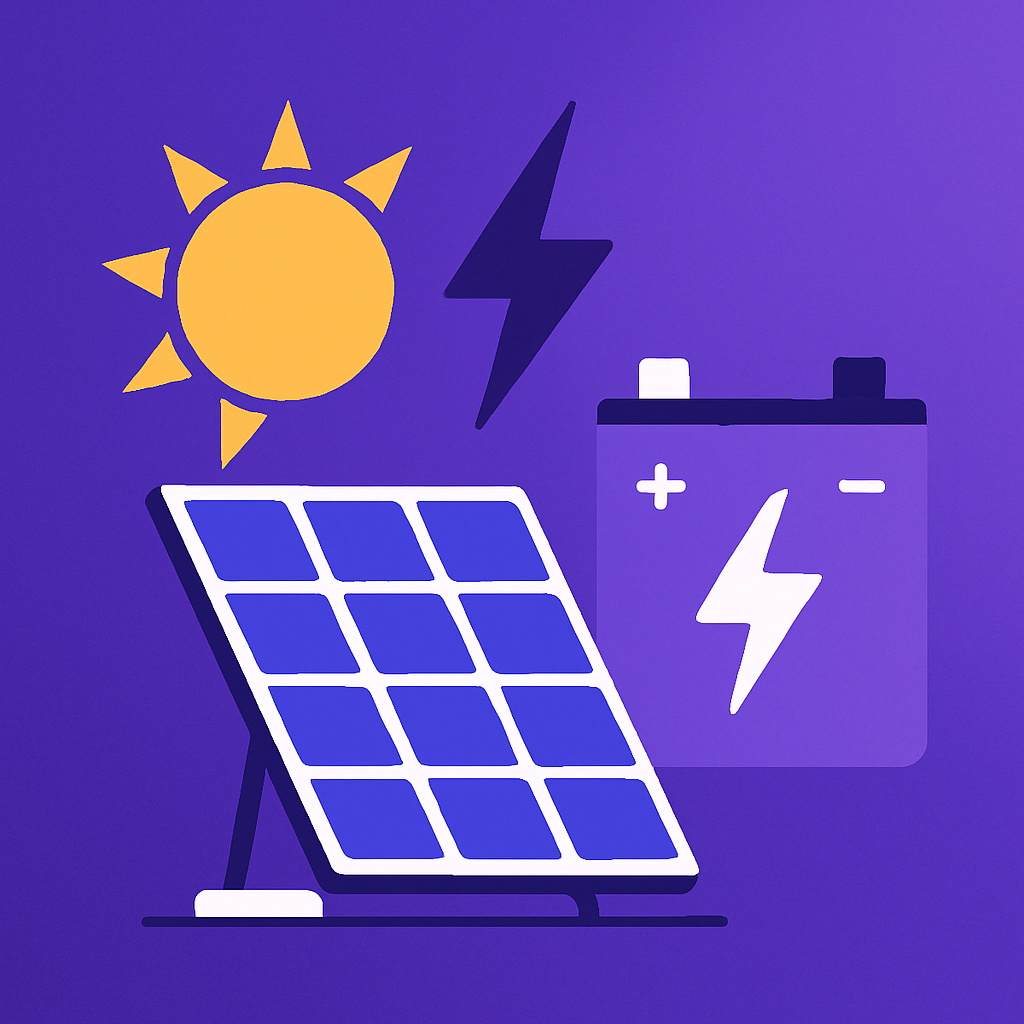
Solar battery systems are designed to store excess energy generated by solar panels during the day. This stored energy can be used during periods when solar panels are not producing electricity, such as at night or during power outages. By coupling solar panels with battery storage, users can achieve greater energy independence and reliability.
The Mechanics of Solar Battery Systems
At the core of a solar battery system is the battery itself, which stores the electricity generated by solar panels. These batteries are typically lithium-ion due to their efficiency and long lifespan. The system also includes an inverter, which converts the direct current (DC) produced by solar panels into alternating current (AC) that can be used by household appliances.
Benefits of Solar Battery Systems
-
Backup Power During Outages: Solar battery systems provide a reliable source of backup power during outages, ensuring that essential appliances and systems remain operational.
-
Energy Independence: By reducing reliance on the grid, solar battery systems offer users greater control over their energy supply and costs.
-
Environmental Impact: Utilizing renewable energy reduces carbon emissions and supports a more sustainable future.
-
Financial Savings: By storing and using their own energy, users can significantly reduce electricity bills.
The Need for Backup Power in Australia
Australia’s electricity grid, while advanced, is not immune to power outages. Severe weather conditions, bushfires, and infrastructure failures can lead to unexpected blackouts. For homeowners and businesses alike, these disruptions can be costly and inconvenient.
Challenges with Traditional Power Sources
Traditional power sources rely heavily on fossil fuels, which are not only finite but also contribute to environmental degradation. The need for a more sustainable and reliable energy source is evident as the demand for electricity continues to grow.
Solar Battery Systems as a Solution
The integration of solar battery systems can mitigate the impact of power outages. By storing energy generated by solar panels, users ensure they have access to electricity even when the grid is down. This is particularly advantageous for businesses that require continuous power supply, such as those involved in commercial HVAC fit-outs.
Solar Battery Systems for Australian Homes and Businesses
Solar battery systems are not just for residential use; they are equally beneficial for commercial applications. Businesses can significantly reduce their operational costs and enhance energy efficiency through the adoption of these systems.
Residential Applications
For homeowners, installing a solar battery system can transform how they interact with energy. It enables them to use solar energy even when the sun isn’t shining, such as during nighttime or on cloudy days. This leads to greater autonomy from the grid and potential financial savings over time.
Commercial Applications
Businesses, especially those needing uninterrupted power like those involved in commercial solar projects, can greatly benefit from solar battery systems. These systems can ensure that critical operations continue without disruption during outages, safeguarding productivity and revenue.
Choosing the Right Solar Battery System
Selecting the appropriate solar battery system involves considering several factors, including energy needs, budget, and available space. Here are key considerations:
Energy Needs Assessment
Understanding your energy needs is crucial. For residential installations, this involves assessing typical electricity usage patterns. Businesses may require a more detailed heating and cooling load assessment to tailor the system to their specific operational requirements.
Capacity and Size
The capacity of a solar battery system should align with your energy consumption. A system that is too small may not provide sufficient backup power, while an overly large system could be unnecessarily costly.
Cost Considerations
While the initial investment in solar battery systems can be significant, the long-term savings on electricity bills and the added value of energy independence often justify the expense. Government incentives and rebates may also be available to offset initial costs.
Space and Installation
Space availability can influence the choice of system. For urban homes with limited space, compact systems that offer high capacity may be ideal. Businesses with larger premises may have more flexibility in terms of installation.
Maintenance and Longevity
The longevity and performance of solar battery systems depend on regular maintenance and proper care. Engaging in routine HVAC maintenance and repairs and ensuring electrical systems are in top condition can enhance the efficiency of solar battery systems.
Regular Maintenance Practices
-
Monitoring: Regularly monitor system performance to identify any issues early.
-
Professional Inspections: Schedule periodic inspections by professionals to ensure all components are functioning optimally.
-
Battery Health: Maintain battery health by avoiding complete discharges and ensuring proper charging cycles.
-
Inverter Care: Regularly check the inverter for any signs of wear or malfunction.
Expected Lifespan
Solar battery systems can last anywhere from 5 to 15 years, depending on the type and how well they are maintained. Proper care can extend the lifespan, ensuring a return on investment.
The Future of Solar Battery Systems in Australia
The future of solar battery systems in Australia looks promising. As technology advances, these systems are becoming more efficient and affordable. Government policies and incentives continue to support the adoption of renewable energy solutions, paving the way for widespread use.
Technological Advancements
Innovations in battery technology are enhancing storage capacity and efficiency. New materials and designs are continually being developed, offering greater energy density and longer lifespans.
Government Initiatives
The Australian government is actively promoting renewable energy adoption through various initiatives and rebates. These efforts aim to make solar battery systems accessible to a broader audience, encouraging both individuals and businesses to invest in sustainable energy solutions.
Integration with Other Renewable Technologies
Solar battery systems can be integrated with other renewable technologies, such as battery and hybrid systems, to optimize energy use. This synergy can further reduce dependence on fossil fuels and enhance energy security.
Conclusion
Solar battery systems represent a significant step forward in achieving energy independence and sustainability in Australia. By providing reliable backup power during outages and reducing reliance on the grid, these systems offer a multitude of benefits for both residential and commercial users. As technology continues to evolve and the demand for renewable energy grows, solar battery systems will play an increasingly vital role in shaping a sustainable future.
For those considering a shift towards renewable energy, exploring options like energy efficiency upgrades and engaging in general electrical services can further enhance the benefits of solar battery systems. Embrace the power of solar energy and take a decisive step towards a more resilient and eco-friendly lifestyle.
