
Introduction to Virtual Energy Networks
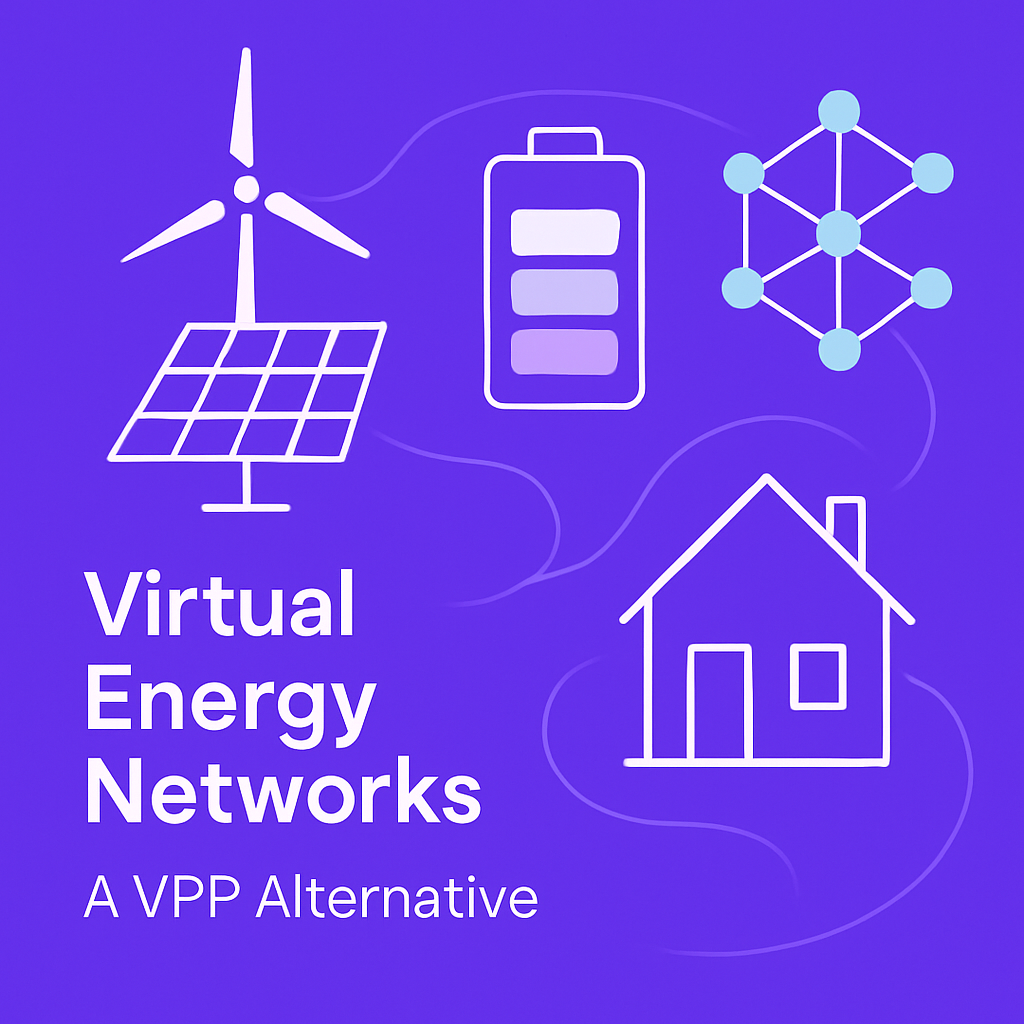
Virtual energy networks (VENs) represent an innovative approach within the renewable energy sector, particularly in the context of Australia’s evolving energy landscape. A VEN consists of a distributed network of energy resources, including solar panels, wind turbines, batteries, and electric vehicles, which collectively operate in a coordinated manner to optimize energy generation and consumption. This concept promotes the idea of leveraging existing assets, allowing households and businesses to collaborate and share energy, thereby enhancing energy resilience and reducing costs.
As energy demands shift in response to increasing population density and growing reliance on renewable sources, the importance of VENs has become more pronounced. With a focus on sustainability and efficiency, VENs accommodate fluctuating energy production and consumption patterns, enabling greater integration of renewable resources into the grid. This adaptability makes them particularly relevant in addressing climate challenges and reducing greenhouse gas emissions, contributing to Australia’s commitment to clean energy targets.
In contrast to Virtual Power Plants (VPPs), which typically centralize energy management and often depend on large-scale operations, VENs offer a decentralized model. This decentralization empowers individual participants to control their energy resources while still benefiting from the collective strengths of the network. By harnessing technologies such as smart meters and advanced data analytics, VENs can optimize energy flow and ensure that excess power generated is efficiently utilized or stored. This effectiveness highlights their emerging role as a viable alternative to more traditional energy management systems.
Understanding the fundamental characteristics and functionality of VENs is essential as we move toward a sustainable energy future. As we further explore this topic, the implications of VENs for Australia’s energy sector and their potential to reshape our approach to energy management will become evident.
The Concept of Virtual Power Plants
Virtual Power Plants (VPPs) represent a transformative approach to energy management, traditionally defined as a system that aggregates and coordinates various distributed energy resources (DERs) to operate collectively as a single power plant. This includes renewable energy sources such as wind and solar, battery storage systems, and even demand response assets. By enabling these diverse sources to work together, VPPs enhance grid stability, optimize energy dispatch, and improve overall efficiency.
The operational mechanics of VPPs revolve around advanced software and communication technologies that facilitate real-time data exchange and management. Through these tools, VPPs can effectively predict energy generation and consumption patterns, enabling operators to efficiently balance supply and demand. This not only aids in reducing the reliance on fossil fuels but also promotes the integration of clean energy sources into the existing grid infrastructure.
Despite their advantages, VPPs face several limitations that may hinder wider adoption. These challenges include regulatory uncertainties, market barriers, and technological constraints. For example, the need for standardized protocols between various DERs often complicates the operational framework of VPPs. Additionally, the economic viability of participating in a VPP is influenced by local market conditions, which can vary greatly across regions.
Statistics indicate that the performance and market penetration of VPPs have seen substantial growth in recent years. According to recent data, the global VPP market is projected to reach approximately $2 billion by 2026, indicating a compound annual growth rate (CAGR) of nearly 25%. While these figures highlight the potential of VPPs, they also underscore the necessity for innovative alternatives, such as virtual energy networks, to address existing flaws and expand the capabilities of integrating renewable energies into the grid.
Mechanics of Virtual Energy Networks
Virtual energy networks (VENs) represent an innovative approach to energy management, leveraging sophisticated infrastructure and technology to optimize energy consumption and distribution. The core components of a VEN include software systems, smart meters, and advanced communication networks that collectively enable the efficient flow of electricity across various consumer profiles.
At the heart of a VEN is a robust software platform that integrates data from numerous sources, including smart meters, to monitor real-time energy usage and demand patterns. These platforms employ algorithms that analyze consumption data, allowing for predictive modeling and enhanced decision-making. This data-driven approach enables network operators to manage energy loads effectively, respond to fluctuations in demand, and facilitate the integration of renewable energy sources.
Smart meters play a critical role within the VEN framework. These devices provide granular visibility into individual energy consumption, offering consumers insights that empower them to make informed decisions about their energy use. By tracking usage patterns, smart meters can automate energy management processes, such as adjusting heating and cooling in real-time based on demand. This technology not only promotes energy efficiency but also contributes to overall grid stability.
Communication systems are essential for the seamless operation of a VEN. These systems ensure that information flows smoothly between the various stakeholders, including consumers, grid operators, and energy providers. Advanced communication protocols facilitate the exchange of data, enabling timely responses to demand changes and the seamless integration of distributed energy resources.
Australia has been at the forefront of VEN deployments, with several pilot projects showcasing the effectiveness of this model. For instance, in South Australia, virtual energy networks have been successfully implemented, demonstrating significant reductions in peak demand and overall energy costs for participants. These real-world examples highlight the potential of virtual energy networks to transform conventional energy management practices, paving the way for a more sustainable future.
Benefits of Virtual Energy Networks
Virtual Energy Networks (VENs) represent an innovative approach to energy management, offering numerous advantages that can reshape the landscape of energy distribution and consumption. One of the primary benefits of adopting VENs is enhanced grid stability. By integrating various distributed energy resources—such as solar panels, wind turbines, and energy storage systems—these networks facilitate a more reliable and resilient energy supply. In times of peak demand or unforeseen outages, the dynamic nature of VENs allows for the swift redistribution of energy, thereby minimizing disruptions.
Cost efficiency is another significant advantage presented by Virtual Energy Networks. By streamlining energy usage and optimizing the deployment of renewable sources, VENs can reduce the reliance on expensive fossil fuels and traditional energy sources. This shift not only minimizes operational costs for energy providers but also translates to savings for consumers, who can benefit from lower utility bills. Additionally, the decentralization inherent to VENs enables communities to generate their own energy, further enhancing economic resilience and stability.
Furthermore, the improved utilization of renewable energy sources within VENs contributes to crucial environmental benefits. By reducing dependence on carbon-intensive energy sources, these networks foster significant reductions in greenhouse gas emissions and lower overall carbon footprints. This is particularly relevant as governments and organizations work toward ambitious climate goals. Beyond environmental considerations, VENs also promote community engagement in energy management. By involving local stakeholders in energy decision-making processes, residents develop a greater sense of ownership and responsibility regarding energy usage. This holistic approach not only ensures a more sustainable future but also invites innovative solutions tailored to community needs.
Challenges and Limitations of Virtual Energy Networks
Virtual Energy Networks (VENs) present an innovative alternative to traditional methods of energy management; however, they face numerous challenges that impede their widespread adoption. One significant obstacle lies in the regulatory landscape. As VENs operate across various jurisdictions and utilize multiple energy sources, inconsistent regulations and a lack of clear frameworks can create substantial barriers to entry. Policymakers often struggle to keep pace with the rapid technological advancements in the energy sector, which can lead to outdated regulations that hinder the integration of Virtual Energy Networks into existing infrastructures.
Technological barriers also pose challenges for the effective implementation of VENs. The reliance on advanced digital platforms and real-time data analytics necessitates significant investments in technology and infrastructure. Additionally, the interoperability of various energy management systems remains a pertinent concern. Without standardized protocols, communicating between different devices and systems can become cumbersome, potentially limiting the efficiency and reliability of energy distribution in a Virtual Energy Network.
Investment complexities further contribute to the challenges faced by VENs. The initial capital required for technology development and infrastructure setup can be daunting for many participants. Investors may be hesitant, given the uncertainties associated with returns on investment and the evolving nature of energy markets. Moreover, attracting a diverse stakeholder base, including consumers, energy producers, and technology providers, may prove difficult, particularly in regions where conventional energy sources dominate and interest in renewable alternatives is low.
In conclusion, while Virtual Energy Networks offer significant potential in transforming energy management, the challenges they face—including regulatory hurdles, technological barriers, and investment complexities—must be addressed to facilitate their successful implementation and acceptance in the broader energy ecosystem.
Comparison of Virtual Energy Networks and VPPs
Virtual Energy Networks (VENs) and Virtual Power Plants (VPPs) represent innovative approaches within the energy sector, primarily aimed at enhancing the efficiency and sustainability of energy practices. While both systems operate on similar principles of decentralized energy production and consumption, they differ significantly in functionality, scalability, and environmental impacts.
VENs facilitate the interconnected operation of distributed energy resources (DERs) including solar panels, wind turbines, and energy storage systems. They allow for enhanced management and coordination of these resources to optimize energy use and reduce costs for consumers. In contrast, VPPs aggregate various generation technologies to act as a unified entity, providing services to the grid such as load balancing and frequency regulation. This makes VPPs primarily focused on delivering reliable power supply while fostering a flexible energy ecosystem.
In terms of scalability, VENs are renowned for their adaptable nature, allowing operators to easily incorporate additional resources as demand grows or technology advances. This attribute supports rapid deployment across diverse environments—urban areas, industrial complexes, or remote locations. Conversely, VPPs often require comprehensive infrastructure and coordination among many types of energy sources, which might restrict their scalability and increase implementation timeframes.
Considering environmental impacts, both VENs and VPPs facilitate the transition to renewable energy sources, effectively reducing greenhouse gas emissions. However, VENs have the potential to create more localized benefits, leading to improved energy resilience and reduced transmission losses. The comparative advantages of each model can be derived from a side-by-side analysis as follows:
| Factor | VENs | VPPs |
|---|---|---|
| Functionality | Optimizes local energy use and resource management | Aggregates generation resources for grid support |
| Scalability | Easily accommodates new resources | Potentially restricted by infrastructure needs |
| Environmental Impact | Reduces local transmission losses; increases energy resilience | Supports grid stability with renewable integration |
Both VENs and VPPs hold significant promise for the future of energy management and sustainability, each addressing unique challenges and offering distinct advantages. By leveraging their respective strengths, energy markets can pave the way for a more adaptive and environmentally friendly energy landscape.
Case Studies: Successful Implementation of VENs
Virtual Energy Networks (VENs) have emerged as a transformative approach in Australia, revolutionizing how communities manage their energy resources. Several case studies illustrate the effective implementation of VENs, showcasing their goals, execution strategies, and outcomes. One notable example is the Yarra Energy Foundation, which launched a VEN to promote local renewable energy usage. The foundation aimed to connect distributed energy resources such as solar power systems of residential consumers and small businesses. Through this initiative, participants enjoyed reduced energy bills while contributing to carbon emissions reduction. The project reported a notable 15% decrease in energy costs across the network.
Another compelling case is the Canberra Smart Grid initiative, which evaluated the practical applications of VENs in urban settings. The initiative sought to improve grid stability while integrating various renewable energy sources, including wind and solar. By developing a platform that allowed real-time data sharing among users, stakeholders observed enhanced decision-making capabilities that led to optimized energy distribution. The project revealed a significant increase in renewable energy consumption, with a 30% rise in energy contributed by participants compared to traditional energy usage.
Furthermore, the South East Queensland Virtual Power Plant has successfully utilized VEN technology by pooling the capacities of residential solar batteries with adjacent households. This model aimed to provide comprehensive energy management services, enabling users to engage more fully with energy markets. By fostering collaboration among participants, measurable outcomes included improved energy security and a reduction in peak demand. Lessons learned from this initiative highlighted the importance of community engagement and education while integrating sophisticated technologies for seamless operation.
These case studies exemplify the robust potential of virtual energy networks across diverse Australian communities, driving toward a sustainable energy future while providing economically favorable results for participants.
Future Trends in Virtual Energy Networks
As we look toward the future of virtual energy networks (VENs), it becomes clear that technological innovations and evolving market dynamics are set to shape this field profoundly. One of the most promising developments on the horizon is the rise of decentralized energy trading. Empowered by blockchain technology and smart contracts, consumers and producers can engage directly in energy exchanges, optimizing energy distribution and pricing. This shift democratizes energy management, allowing participants to capitalise on their surplus energy, which aligns with the broader trend towards sustainability and local energy solutions.
Another significant factor influencing the trajectory of VENs is the application of Artificial Intelligence (AI) in energy management. AI systems can analyze vast amounts of data in real-time, making actionable recommendations for energy consumption and production. This capability supports enhanced grid stability, demand-response initiatives, and more efficient use of renewable resources. Furthermore, predictive analytics powered by AI can help in anticipating energy demand fluctuations, enabling better planning and resource allocation in virtual networks.
Policy developments will also play a critical role in shaping the future of virtual energy networks. Governments worldwide are increasingly recognizing the importance of facilitating renewable energy integration within existing grids. As regulations evolve, there may be more support for technologies that foster energy resilience, including dynamic pricing models and incentives for participation in energy markets. Such policies can substantially impact how virtual networks are structured, their operational efficacy, and ultimately, their adoption rates.
In summary, the future of virtual energy networks is poised for transformation driven by advancements in decentralized energy trading, the utilization of AI, and supportive policy frameworks. These trends will not only change how energy is consumed and produced but also foster a more sustainable and responsive energy landscape, aligning with the global shift towards cleaner energy solutions.
Conclusion: Embracing the Shift Towards Virtual Energy Networks
The transition to virtual energy networks (VENs) represents a significant evolution in the management and distribution of energy resources. As Australia aims to reduce its carbon footprint and enhance energy efficiency, embracing this innovative approach becomes imperative. Virtual energy networks facilitate the integration of diverse renewable energy sources, empowering communities to harness localized production, storage, and consumption effectively.
Throughout this discussion, key benefits of VENs have been highlighted, including improved grid reliability, reduced transmission losses, and enhanced resilience to energy supply fluctuations. These networks are instrumental in coordinating energy flows from various distributed energy resources, enabling consumers to play an active role in their energy management. Moreover, the strategic use of technology to monitor and optimize energy use can streamline operations and minimize costs for both end-users and system operators.
In the context of Australia’s energy transition, the adoption of virtual energy networks is not merely a forward-thinking strategy; it is a necessity. As renewable energy sources proliferate, the complexities of decentralized energy generation demand innovative solutions such as VENs to maintain balance and sustainability in the energy market. Policymakers and regulatory bodies must prioritize the development and support of frameworks that facilitate the growth of this model. Likewise, businesses and individuals are encouraged to explore collaborative initiatives that harness the potential of virtual energy networks, making conscious efforts to contribute to a greener energy future.
As we embrace this shift, let us join forces to promote the implementation of virtual energy networks. Together, through collective action, we can drive the transition toward a decentralized, resilient, and truly sustainable energy landscape in Australia.
